
Or begin here
What are you curious about?
Start with some of the subjects that show up again and again in Orange County’s history.
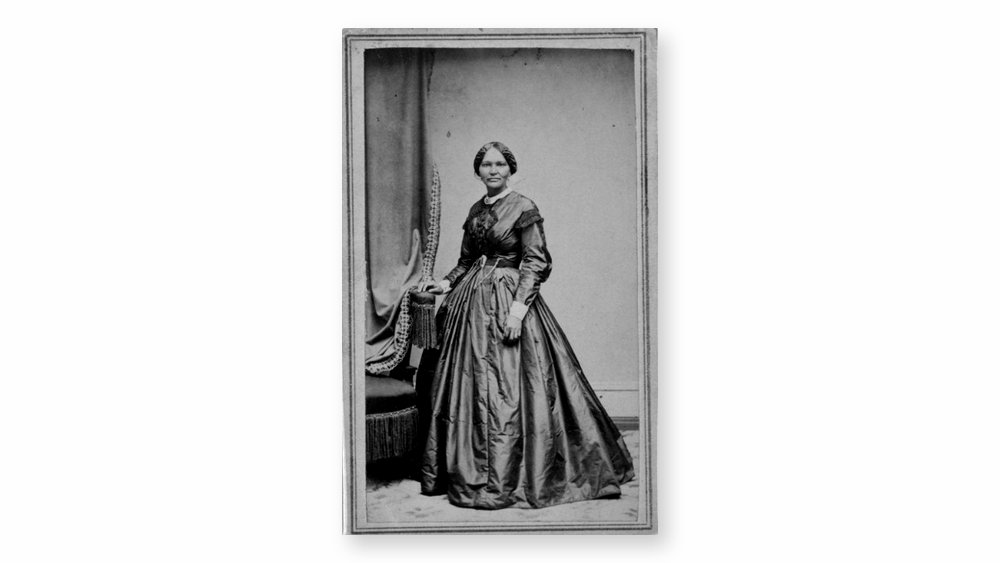
Black Life & Civil Rights
Community life, schools, segregation, activism, churches, and oral histories
858 works →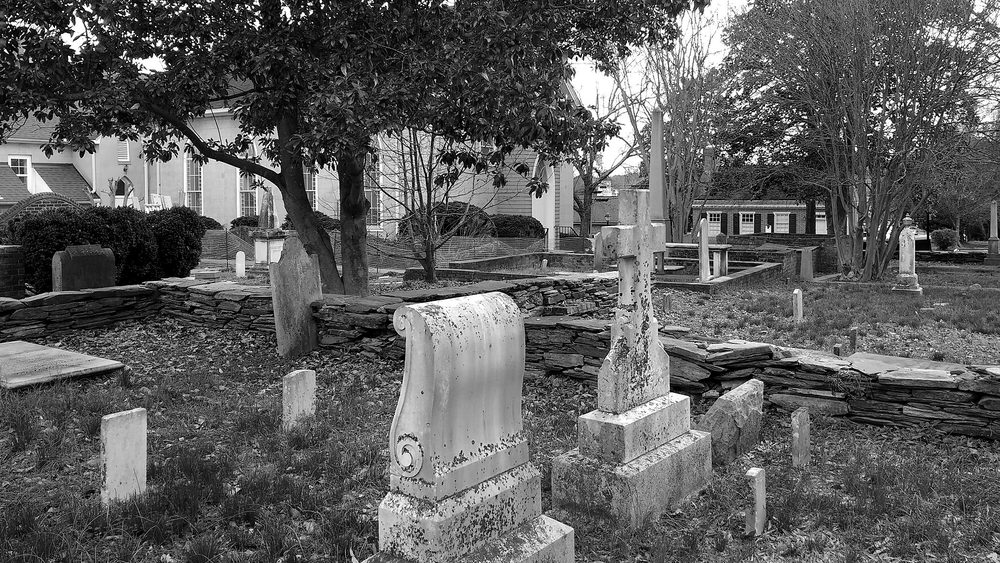
Families, Land & Genealogy
Families, deeds, cemeteries, marriages, wills, and land records
883 works →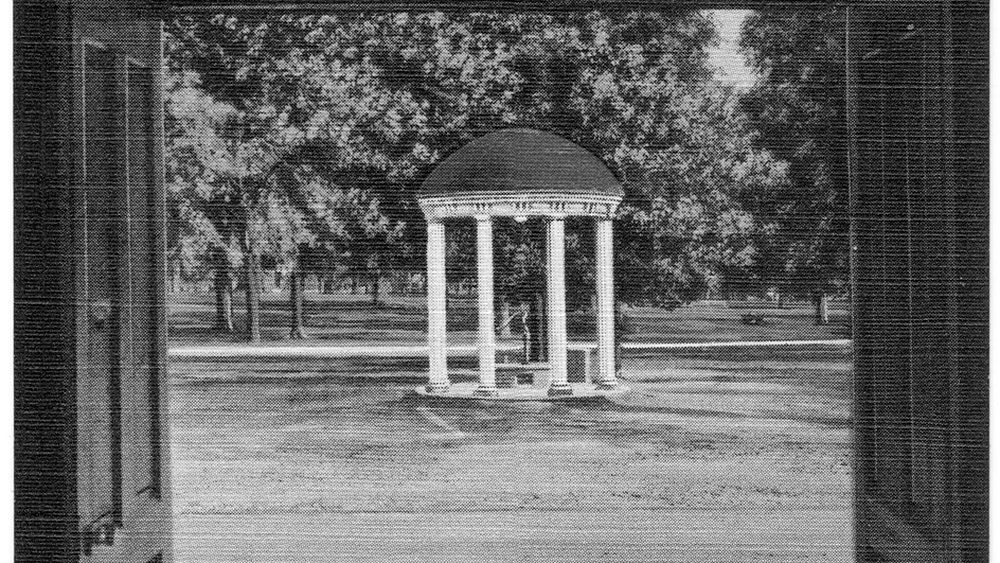
UNC & Campus Life
Students, faculty, buildings, departments, activism, and athletics
8,454 works →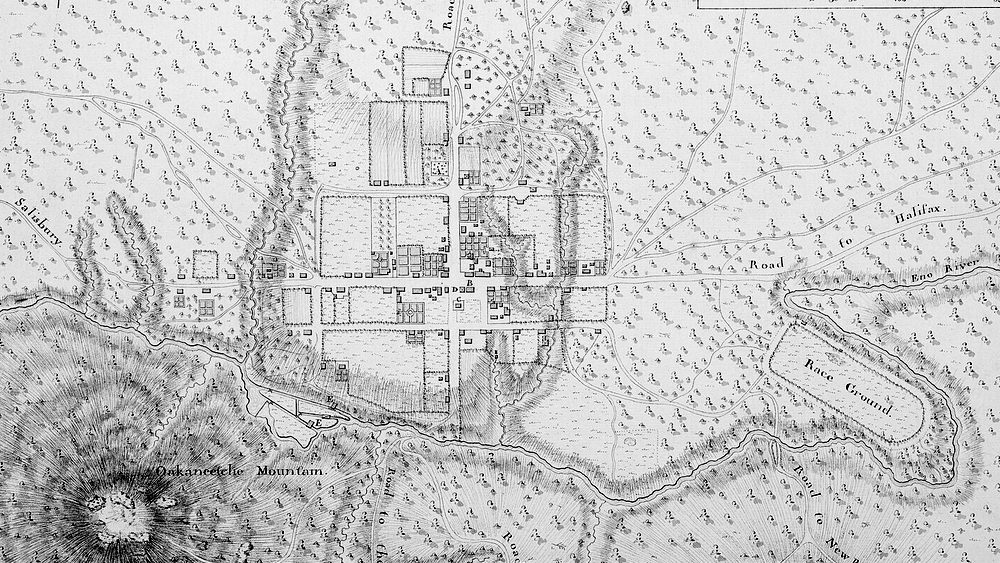
Colonial Orange County
The Regulators, the Revolution, and the county’s first century
356 works →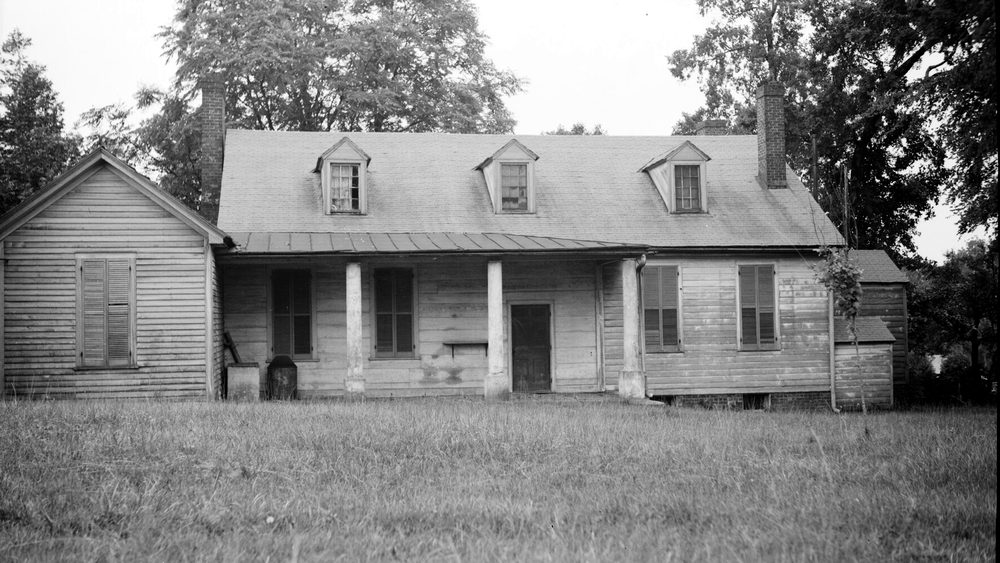
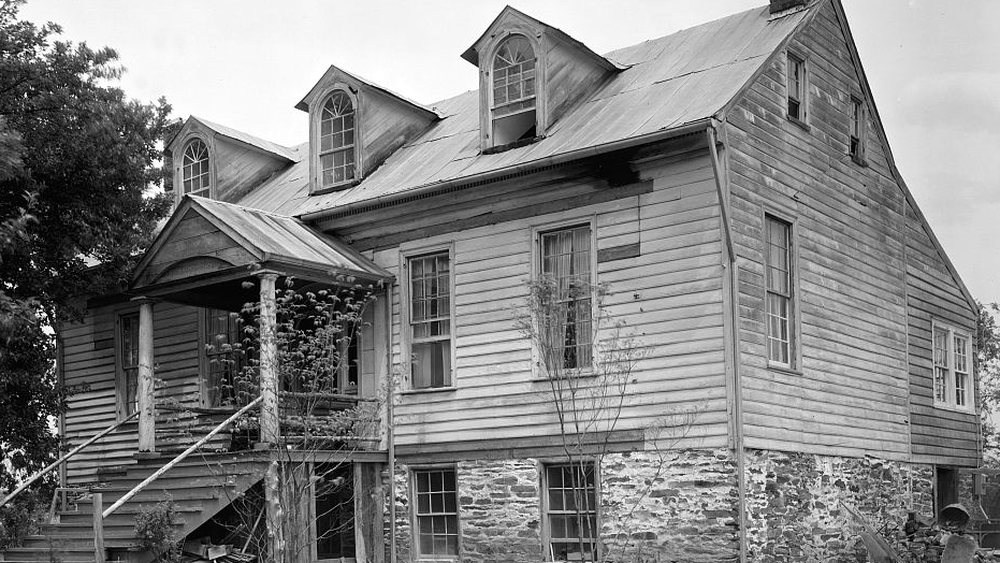
Buildings & Preservation
Historic houses, architecture, landmarks, districts, and preservation
1,082 works →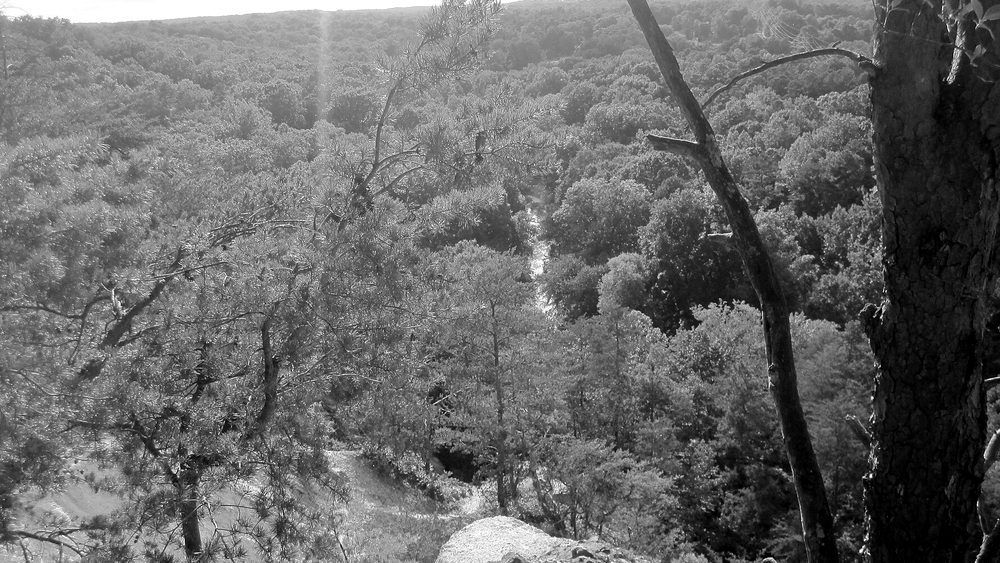
Eno & Environment
The river and the land around it, from mill sites to state parks
626 works →Explore more themes
Schools & Education
One-room academies, Rosenwald schools, desegregation, and the teachers and students who filled the county's classrooms
5,566 works →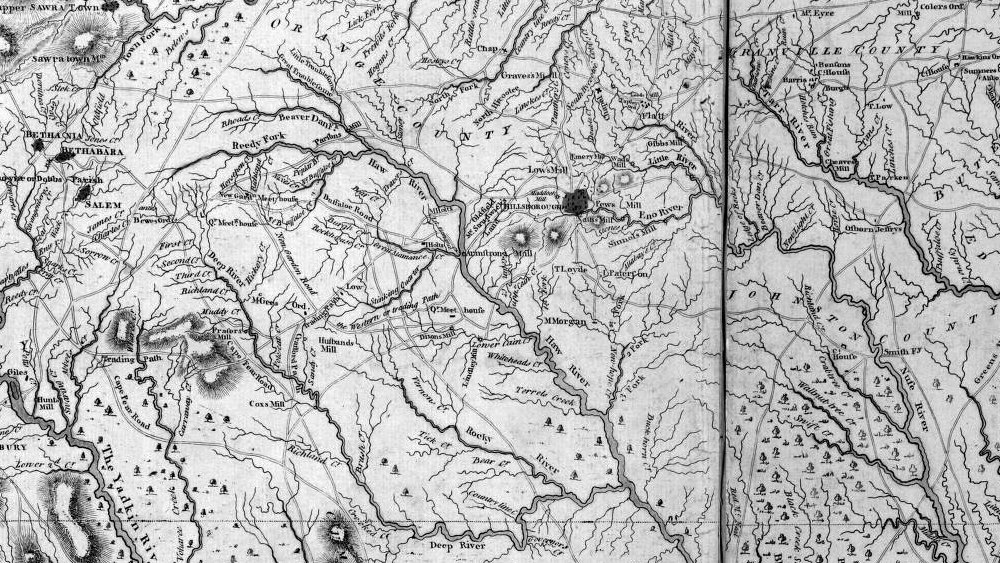
Indigenous Peoples & Archaeology
The Occaneechi, Sissipahaw, and Eno peoples, the Great Trading Path, and what archaeology has recovered along the rivers
159 works →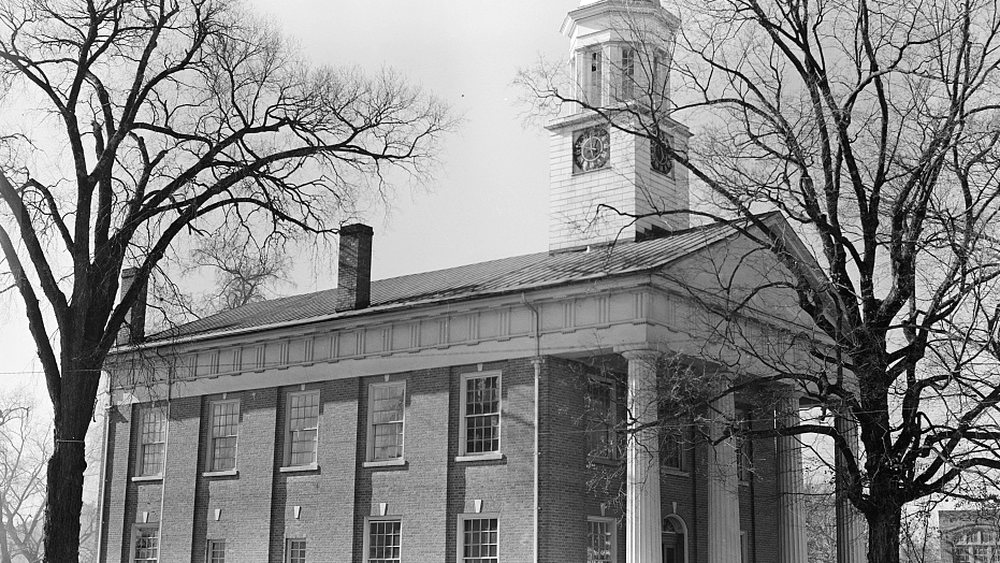
Politics & Government
Elections, courthouse politics, town councils, and the county's long habit of arguing in public
1,094 works →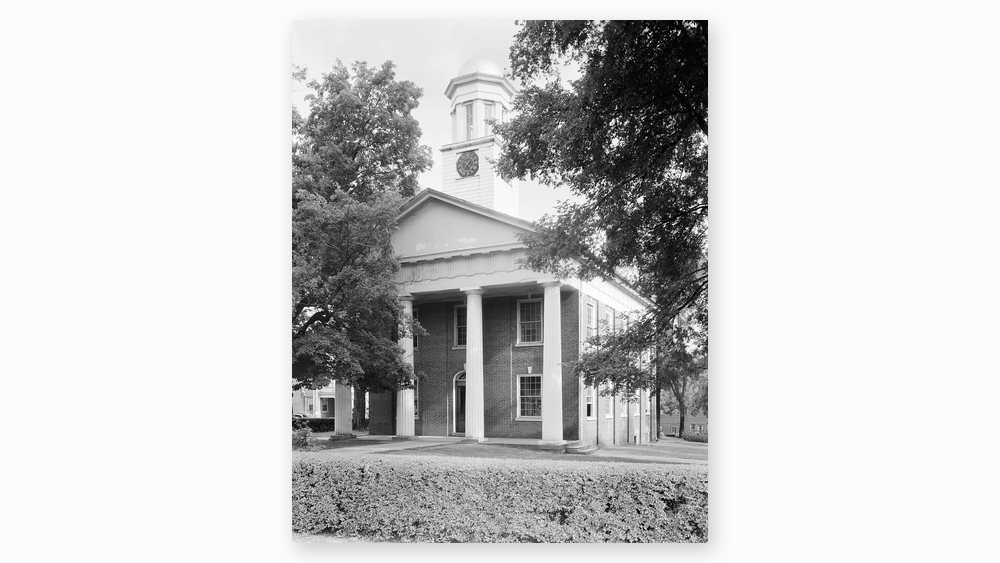
Law, Courts & Justice
The courthouse at Hillsborough, its judges and lawyers, the trials that drew crowds, and the jail behind them
444 works →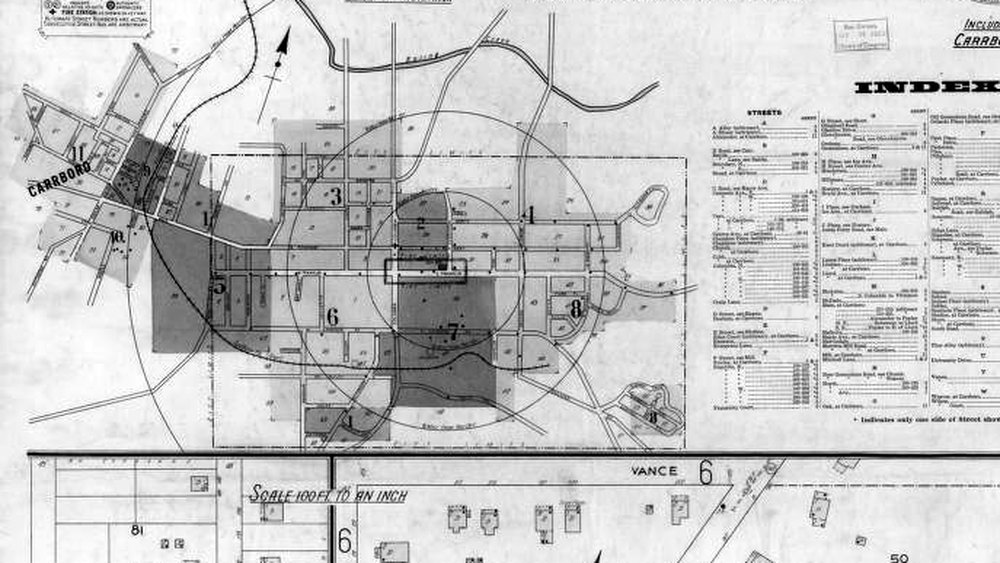
Growth, Land & Planning
Farmland becoming subdivisions, the fights over water, roads, and zoning, and how the county decided what it would become
753 works →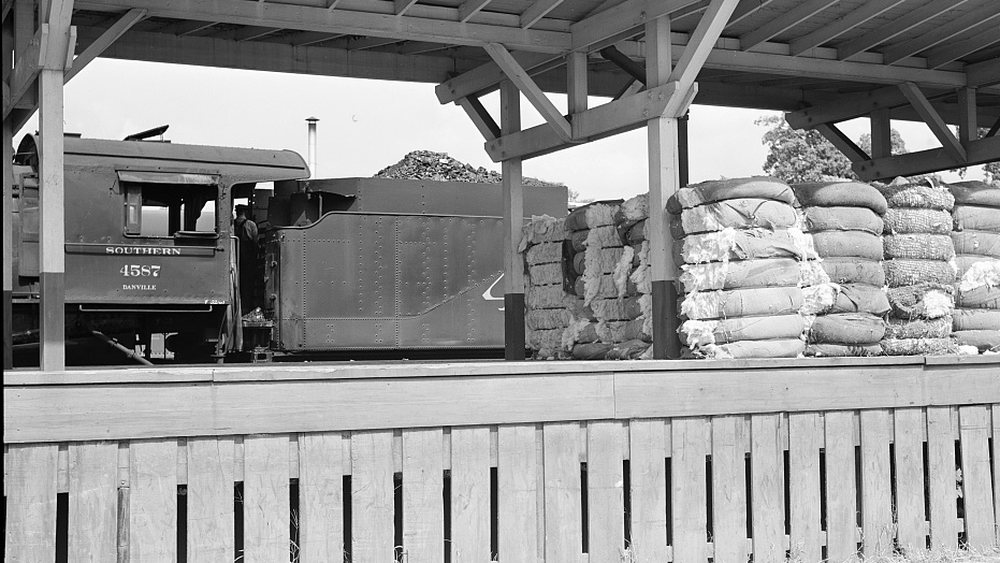
Roads, Rail & Transportation
From the Trading Path to the railroad depots, highways, and buses that tied the county's towns together
418 works →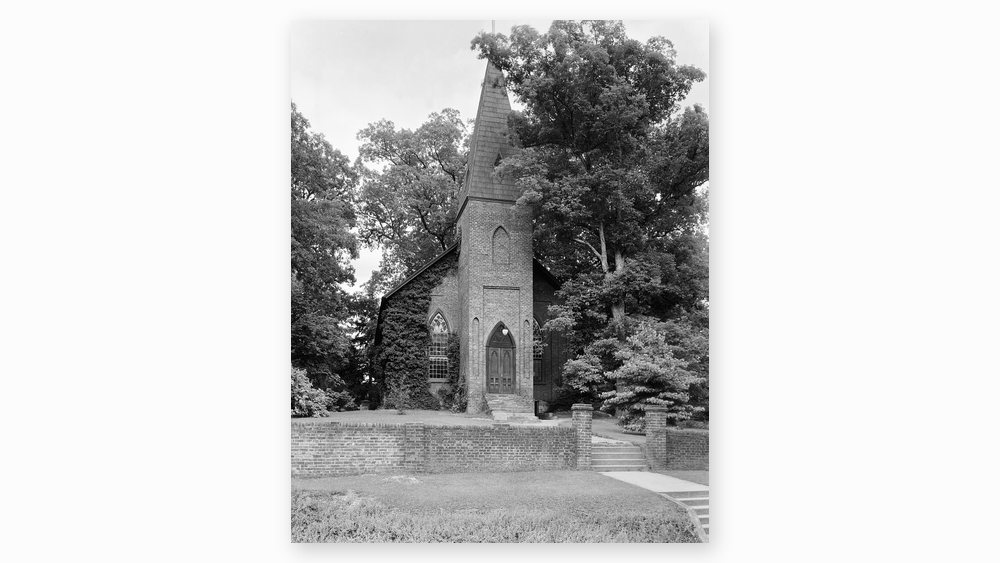
Churches & Faith
Congregations of every denomination, the buildings they raised, the revivals they held, and the communities they anchored
549 works →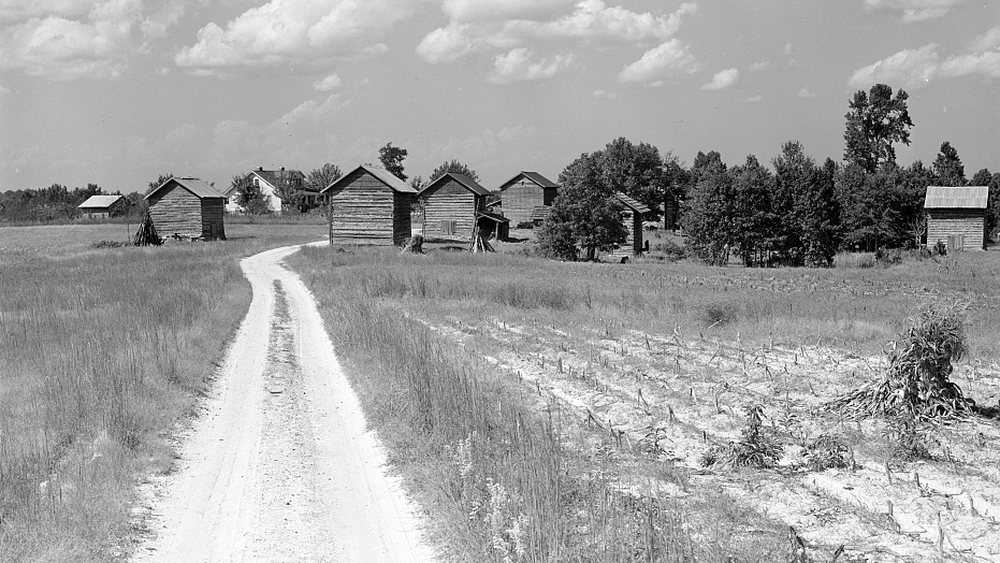
Farms & Rural Life
Tobacco barns, sorghum mills, granges, and the families who worked the land before the county turned suburban
245 works →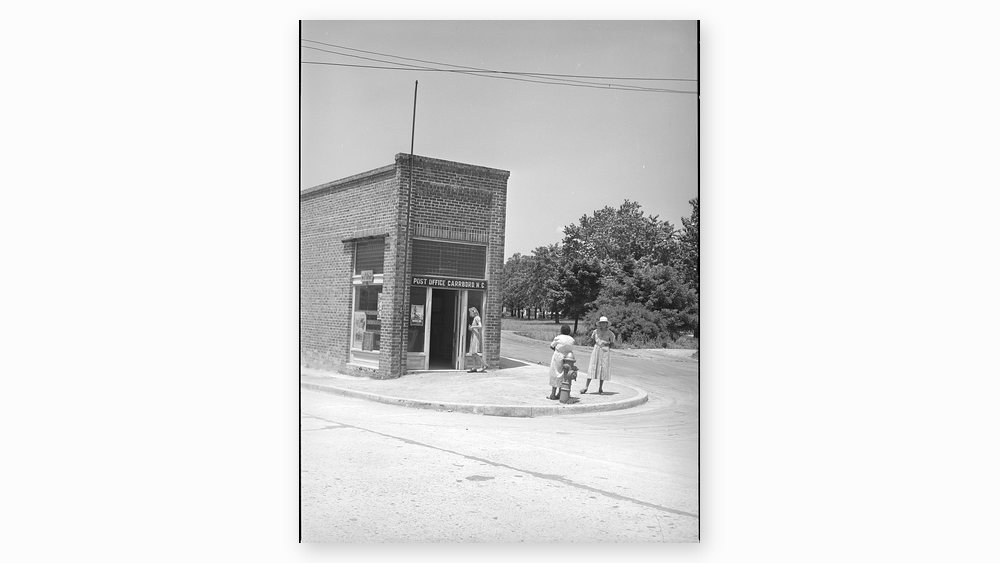
Work, Labor & Industry
The mill villages of Carrboro and the Eno, the trades that kept towns running, and the workers who organized
641 works →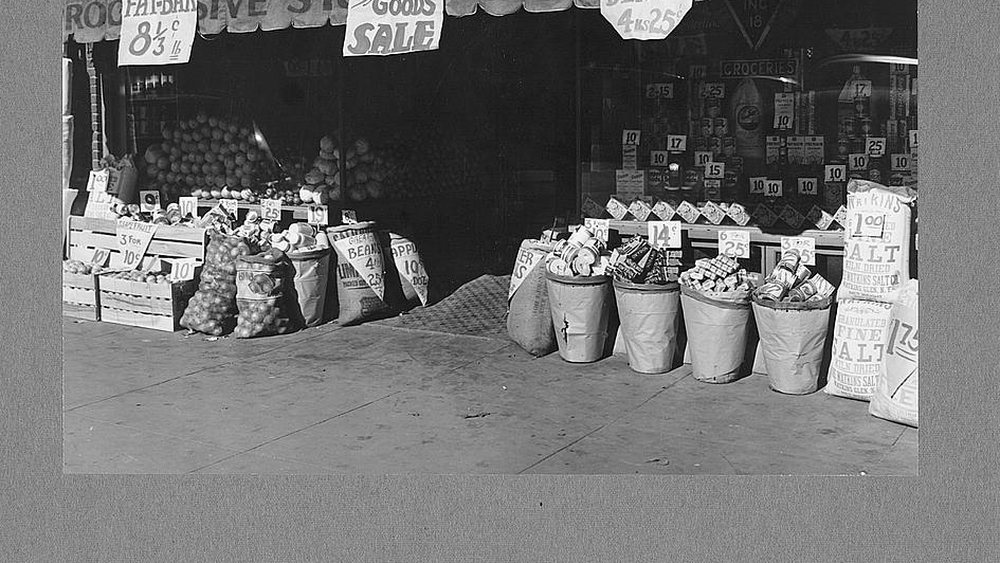
Business, Shops & Commerce
Main Street merchants, general stores, banks, hotels, and the local economy from tavern days to downtown revivals
783 works →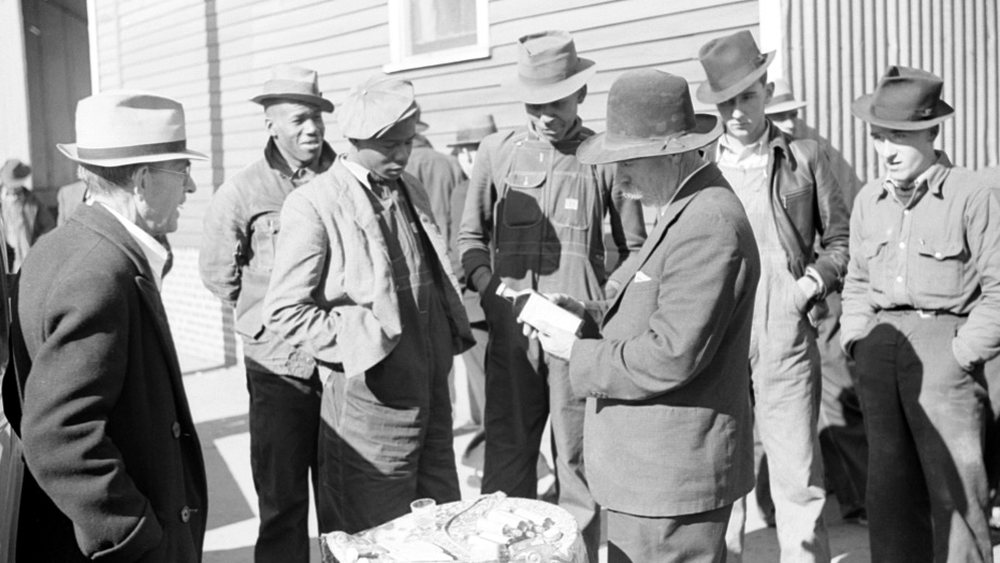
Health, Medicine & Care
From patent medicines and country doctors to hospitals, clinics, and the public-health campaigns that changed the county
759 works →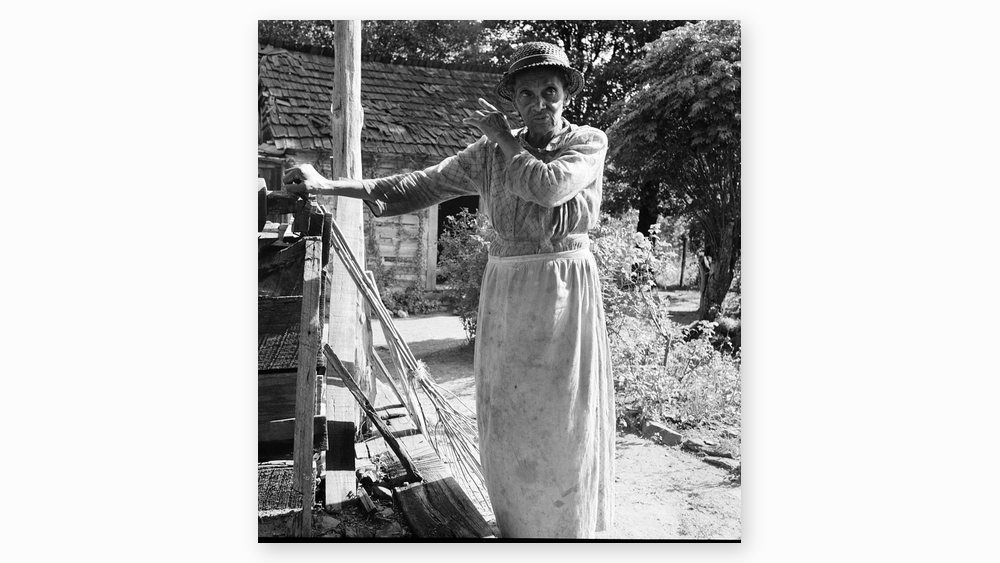
Women's Lives & History
Women's work, organizations, and daily lives, from farm wives and teachers to suffragists and civic leaders
622 works →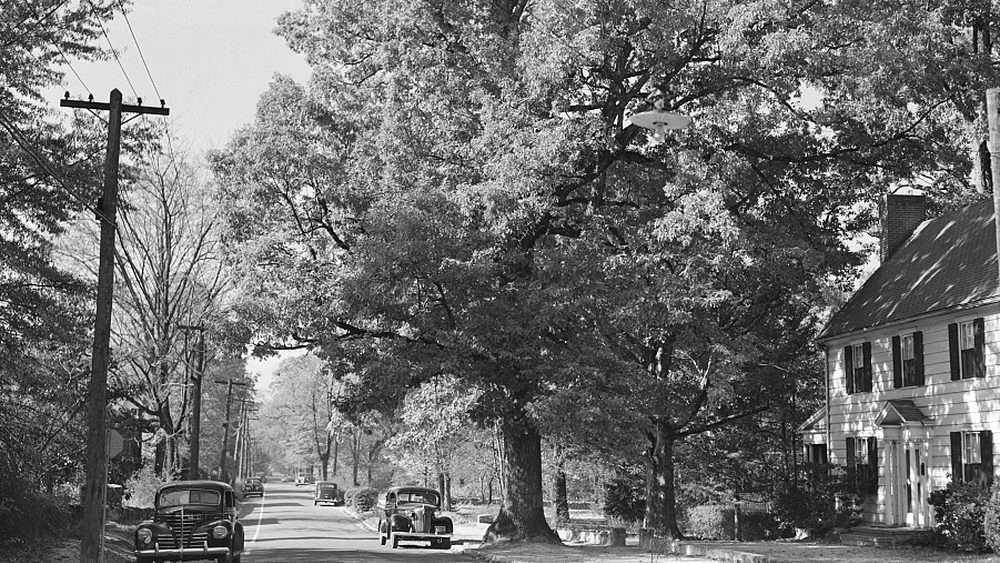
Housing, Neighborhoods & Displacement
Where people lived and were kept from living: Black neighborhoods, segregated housing, campus expansion, and the fight to stay
401 works →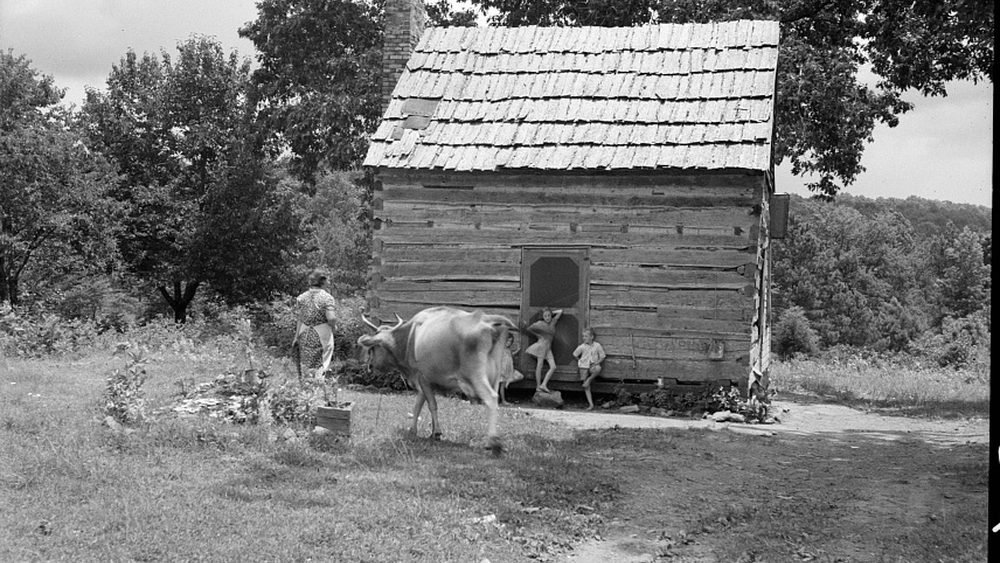
Newcomers & Changing Communities
Immigration and migration to the county: who came, why, where they lived, and what they built
47 works →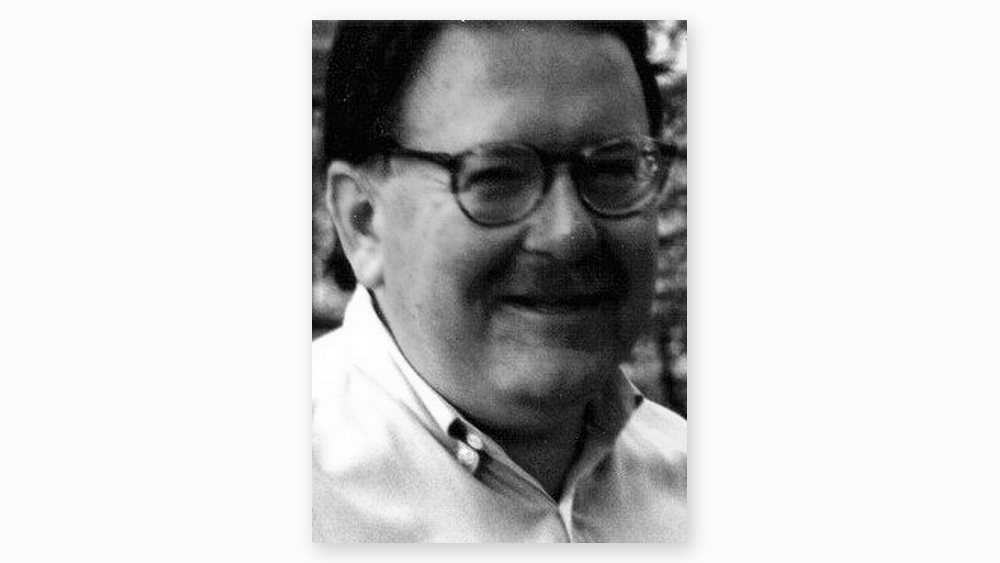
LGBTQ+ Life & Activism
Activism, oral histories, and elected firsts: how gay and lesbian residents built a visible community in Chapel Hill and Carrboro
39 works →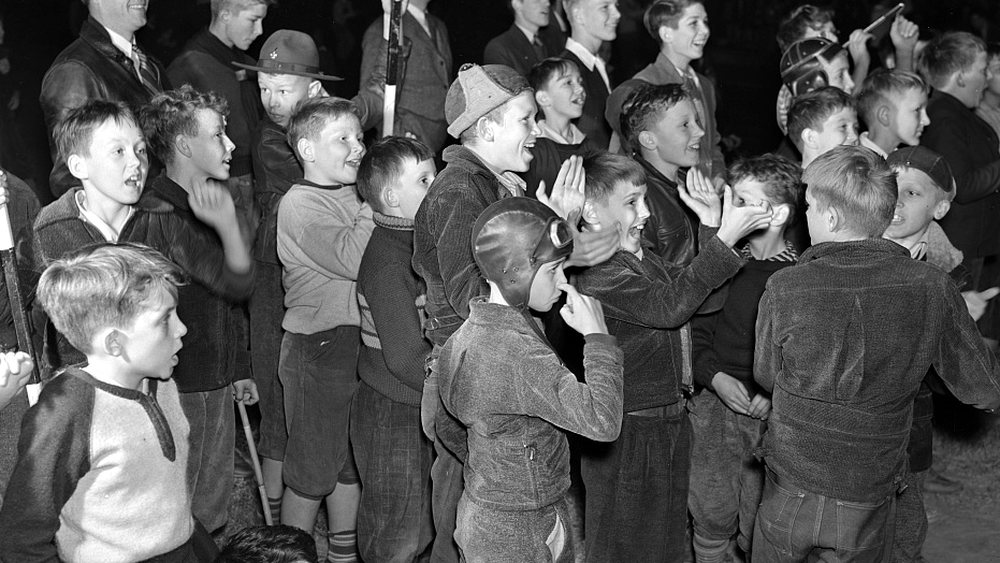
Arts, Music & Performance
Painters, potters, players, and bandleaders, from the Carolina Playmakers and Kay Kyser to the clubs of Carrboro
957 works →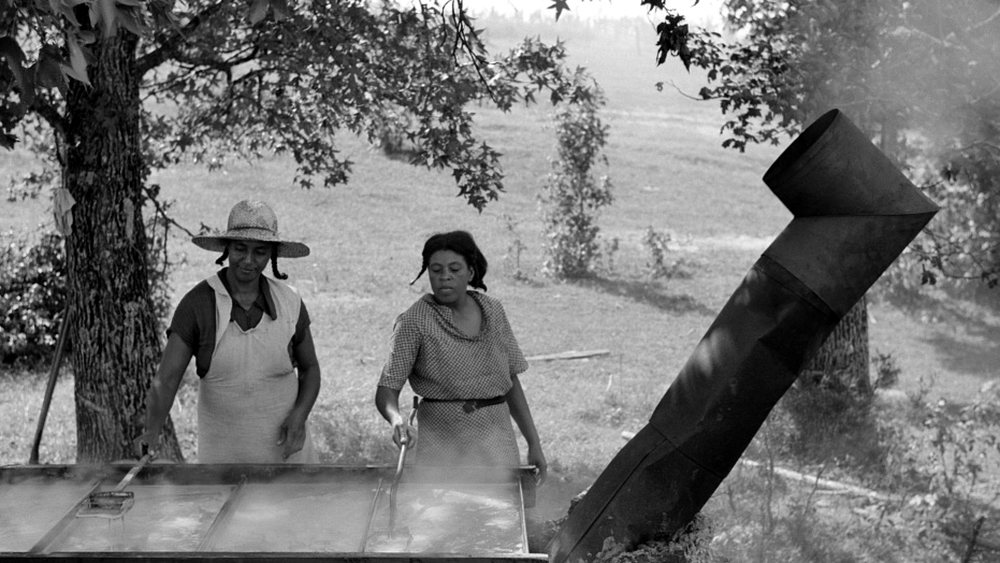
Food, Drink & Local Culture
Sorghum syrup, Brunswick stew, barbecue, and the restaurants and traditions that gave the county its flavor
311 works →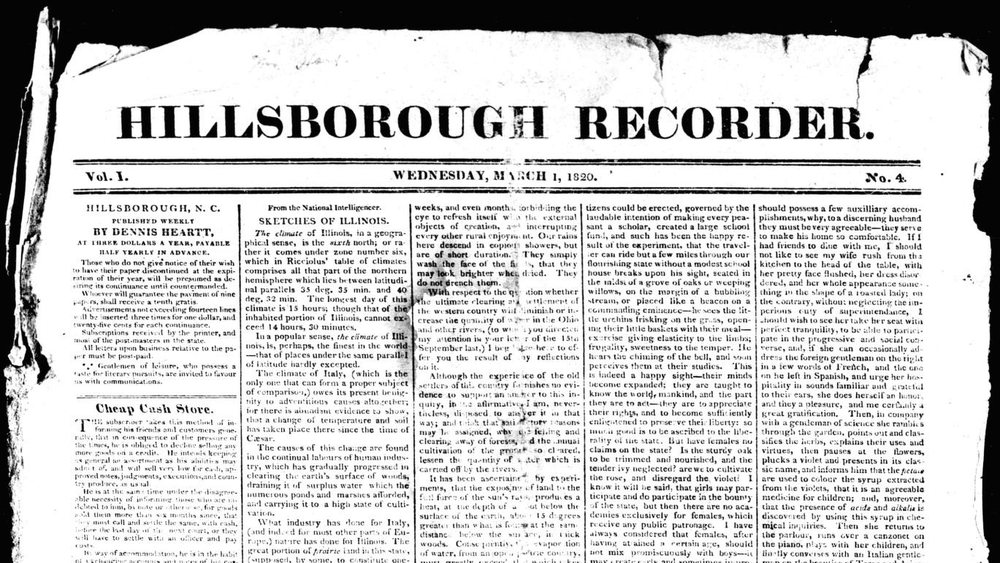
News, Journalism & Broadcasting
Two centuries of local papers, from the Hillsborough Recorder to the Daily Tar Heel, and the broadcasters who followed
409 works →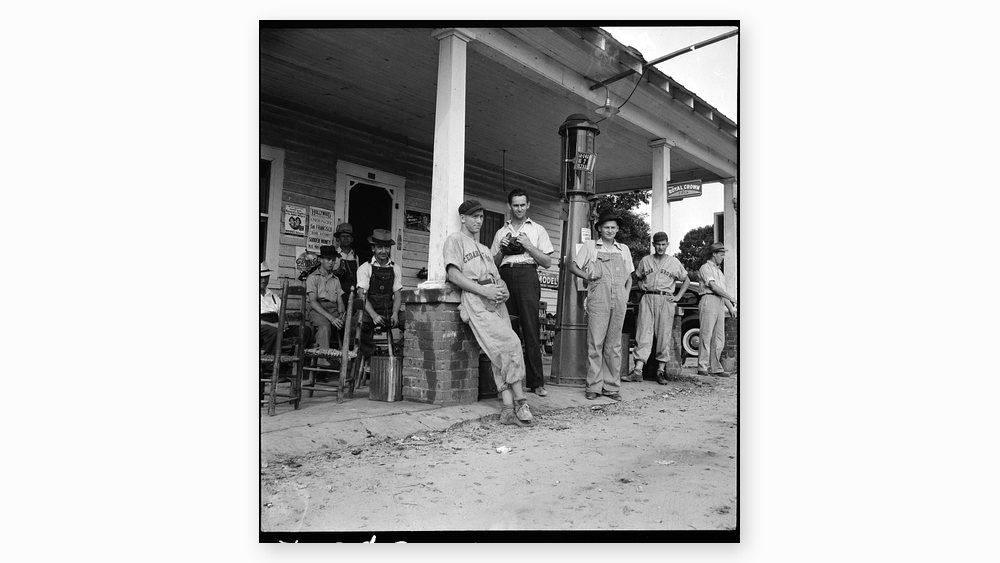
Everyday Life & Traditions
Filling stations and front porches, holidays and fairs, and the ordinary routines that rarely made the history books
504 works →
Libraries, Archives & Public Memory
The libraries, archives, museums, and historical societies that keep the county's record, and how they were built
838 works →
Carolina Sports
Pep rallies, rivalries, and championships: the games and athletes that made Chapel Hill a sports town
959 works →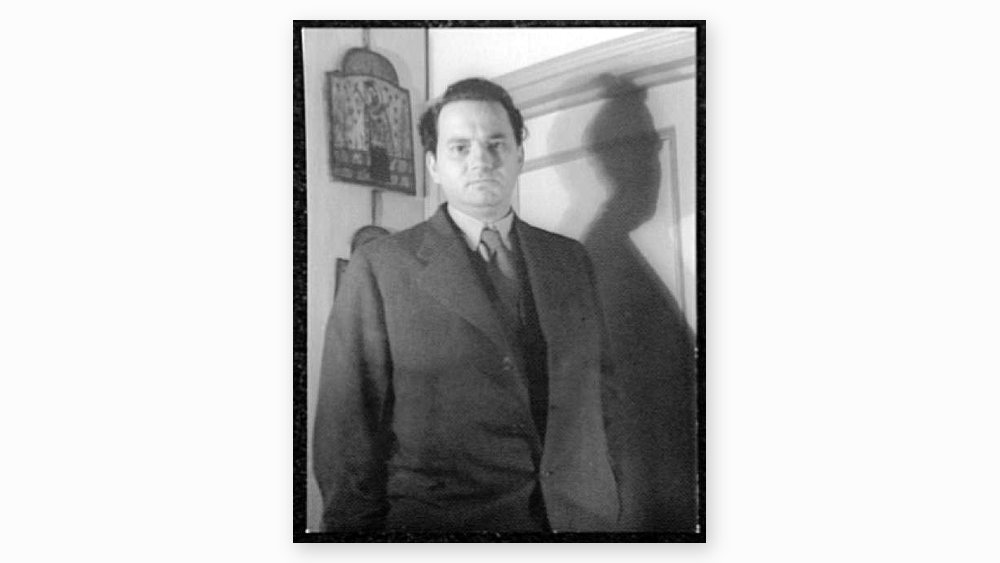
Literature & Publishing
Thomas Wolfe, Paul Green, and the writers, presses, and bookstores that made the county a literary place
626 works →Featured People and Stories
Begin with eight people and episodes whose historical trails extend well beyond the catalog record. Each page brings together selected background sources, contemporary evidence where available, local knowledge, and related works held across North Carolina.
Elizabeth Hobbs Keckly
Enslaved by the Burwell family in Hillsborough during the 1830s, Elizabeth Hobbs Keckly purchased her freedom in 1855 and became a celebrated dressmaker, author, and confidante of Mary Todd Lincoln.
Starting source: North Carolina Highway Historical Marker 8 works → EventThe Regulator crisis, 1766–1771
A protest movement against North Carolina’s colonial government ended in defeat at the Battle of Alamance in May 1771. Six Regulators were executed near Hillsborough one month later.
Starting source: North Carolina Highway Historical Marker 78 works → PersonHerman Husband
A pamphleteer and leading voice in the Regulator movement, Herman Husband lived near Hillsborough and was later caught up in the Whiskey Rebellion in Pennsylvania.
14 works → EventOccaneechi Town and the Great Trading Path
A town of the Occaneechi people stood on the Eno River just east of present-day Hillsborough, on the Great Trading Path, from about 1680 to 1710. The explorer John Lawson visited it in 1701 and wrote about its people.
Starting source: North Carolina Highway Historical Marker 41 works →Show the other 4
Elizabeth “Libba” Cotten
Born and raised on Lloyd Street in what became Carrboro, Elizabeth “Libba” Cotten wrote “Freight Train” as a girl, recorded it in 1958, and became an influential figure in the folk revival of the 1960s.
Starting source: North Carolina Highway Historical Marker 8 works → PersonWilliam Hooper
William Hooper, one of North Carolina’s three signers of the Declaration of Independence, lived in Hillsborough and was initially buried there.
4 works → PersonPaul Green
Playwright and UNC teacher Paul Green won the Pulitzer Prize in 1927 and wrote The Lost Colony, the first of his outdoor dramas. From Chapel Hill he spoke out against segregation and the death penalty.
14 works → EventSaving the Eno
The Association for the Preservation of the Eno River Valley, formed in 1966 to oppose reservoir plans on the Eno, helped preserve the river corridor and establish Eno River State Park.
20 works →Browse all events and histories (93) →
In date order, with the episodes each history includes indented beneath it. Records are indexed works; dated entries are in the chronology.
- Occaneechi Town and the Great Trading Path 41 records · 34 dated entries
- The Occaneechi Band of the Saponi Nation today 35 records · 22 dated entries
- Creation of Orange County and Hillsborough, 1752–1766 22 records · 6 dated entries
- The Regulator crisis, 1766–1771 78 records · 8 dated entries
- Maddock’s Mill organizing, 1766–1768 1 record · 1 dated entry
- Hillsborough court riot, September 1770 1 dated entry
- Battle of Alamance, May 1771 (site now in Alamance County) 10 records · 1 dated entry
- Regulator executions at Hillsborough, June 1771 1 dated entry
- How Orange County’s boundaries changed, 1771–1881 23 records · 5 dated entries
- Third Provincial Congress at Hillsborough, 1775 5 records · 5 dated entries
- General Assembly sessions at Hillsborough, 1778–1784 1 record · 7 dated entries
- Orange County’s nineteenth-century academies 134 records · 24 dated entries
- The Burwell School and the Burwell household 64 records · 7 dated entries
- Cornwallis at Hillsborough, February 1781 2 records · 6 dated entries
- Hart’s Mill skirmish, February 1781 1 record · 4 dated entries
- David Fanning’s raid on Hillsborough, September 1781 10 records · 1 dated entry
- Capture of Governor Thomas Burke, 1781 8 records · 1 dated entry
- Hillsborough ratification convention, 1788 10 records · 1 dated entry
- The founding of the University and Chapel Hill, 1789–1795 19 records · 9 dated entries
- Slavery in Orange County 28 dated entries
- Black workers and campus labor 100 records · 22 dated entries
- The Hillsborough Recorder begins publication, 1820 9 records · 1 dated entry
- Public libraries in Orange County 76 dated entries
- Elizabeth Keckly in Hillsborough 8 records · 6 dated entries
- Farm labor in rural Orange County 5 records · 11 dated entries
- Orange County during the Civil War, 1861–1865 445 records · 12 dated entries
- The end of the Civil War in Orange County, 1865 9 records · 7 dated entries
- Freedom, schools, and Black community-building after emancipation 51 records · 17 dated entries
- Historic Black neighborhoods of Chapel Hill and Carrboro 17 records · 19 dated entries
- Northside, Pine Knolls, and Tin Top 16 records · 28 dated entries
- Kirk-Holden War connections, 1870 9 dated entries
- Racial-terror lynchings in Orange County 2 records · 8 dated entries
- Morrow family killings, 1869 5 dated entries
- Lynching of Manly McCauley, 1898 2 dated entries
- From West End to Carrboro: railroad, mills, and a new town, 1882–1913 90 records · 26 dated entries
- Eno Cotton Mill and its village 8 dated entries
- Segregated schooling and the rise of Lincoln and Central High Schools 61 records · 15 dated entries
- Segregation and access to medical care 1 record · 12 dated entries
- Silent Sam 15 records · 4 dated entries
- Construction and dedication of Silent Sam, 1913 3 records · 1 dated entry
- Toppling of Silent Sam, 2018 1 record · 1 dated entry
- The 1918 influenza pandemic in Orange County 9 records · 1 dated entry
- The Carolina Playmakers and the founding of UNC Press 46 records · 6 dated entries
- Segregated housing and neighborhood boundaries 17 records · 6 dated entries
- Public health in rural Orange County 3 records · 19 dated entries
- Water for the towns: University Lake, the 1976–77 drought, and OWASA 58 records · 26 dated entries
- Cane Creek Reservoir and Bingham Township 27 records · 19 dated entries
- The Orange County Negro Public Library and the struggle for equal library service, 1936–1960s 2 records · 6 dated entries
- Desegregating the University of North Carolina, 1951–1955 28 records · 7 dated entries
- The Hargraves Center and Chapel Hill’s Negro Community Center 12 dated entries
- UNC expansion and neighborhood change 74 records · 17 dated entries
- The Navy Pre-Flight School at Chapel Hill, 1942–1945 37 records · 3 dated entries
- Polio and vaccination 11 dated entries
- Journey of Reconciliation in Chapel Hill, 1947 1 record · 5 dated entries
- North Carolina Memorial Hospital and the medical center, from 1952 53 records · 14 dated entries
- Occoneechee Speedway, Hillsborough 2 records · 7 dated entries
- Research Triangle Park and the county’s transformation 264 records · 15 dated entries
- Binkley Baptist and the Community Church of Chapel Hill 9 dated entries
- School desegregation in Chapel Hill and Carrboro, 1959–1967 38 records · 16 dated entries
- Chapel Hill freedom movement, 1960–1964 101 records · 13 dated entries
- Chapel Hill Nine sit-in, 1960 1 dated entry
- Holy Week Fast, 1964 1 record · 1 dated entry
- The Chapel Hill civil-rights demonstrations, 1963–1964 88 records · 7 dated entries
- Consolidation and desegregation in the Orange County Schools 5 dated entries
- Speaker Ban controversy, 1963–1968 49 records · 20 dated entries
- Wall speeches at the campus line, 1966 5 records · 13 dated entries
- Dickson v. Sitterson, 1968 5 records · 1 dated entry
- Saving the Eno 20 records · 5 dated entries
- Black student activism at UNC 33 records · 10 dated entries
- UNC food workers’ and housekeepers’ struggles, 1969 to 1996 19 records · 7 dated entries
- The movement for a freestanding Black Cultural Center, 1991–1993 10 records · 3 dated entries
- Health care across language and immigration 1 record · 10 dated entries
- Preserving affordable housing 17 records · 23 dated entries
- Carrboro’s Black political firsts 8 dated entries
- Chapel Hill and Carrboro music scene 309 records · 31 dated entries
- The Cat’s Cradle and the “Chapel Hill sound” of the 1990s 111 records · 24 dated entries
- Howard Lee’s election as mayor of Chapel Hill, 1969 5 records · 2 dated entries
- The second UNC food workers’ strike, November 1969 3 records · 1 dated entry
- UNC foodworkers’ strikes, 1969 14 records · 5 dated entries
- Killing of James Cates, 1970 18 dated entries
- UNC’s student strike against the Vietnam War, May 1970 38 records · 1 dated entry
- Rogers Road environmental justice 8 records · 52 dated entries
- Historic Rogers Road neighborhood 1 record · 17 dated entries
- Orange County landfill campaign 8 records · 29 dated entries
- LGBTQ political firsts in Chapel Hill and Carrboro, 1980s–1990s 10 records · 15 dated entries
- Carrboro’s LGBTQ municipal firsts 1 record · 9 dated entries
- UNC housekeepers’ movement, 1991–1996 3 records · 6 dated entries
- UNC women’s soccer national dynasty 24 dated entries
- Latino migration to Carrboro and Chapel Hill 7 records · 20 dated entries
- Hurricane Fran, September 1996 1 record · 12 dated entries
- Burmese and Karen refugee communities 5 records · 16 dated entries
- COVID-19 in Orange County, 2020–2022 8 records · 27 dated entries
- Cedar Grove and rural northern Orange 82 records · 17 dated entries
More events and histories (23 chronology highlights without a page of their own)
- Polly Burke helps organize the Hillsborough Presbyterian Church 1816
- George Moses Horton begins selling poems to UNC students 1818–1829
- The North Carolina Railroad is chartered and built 1849–1856
- John and Mary Jane Pope build their farm near Cedar Grove 1870–1874
- UNC reopens 1875
- E. H. Pogue & Co. hold the opening sale at the Hillsboro Tobacco Warehouse 1886
- Sallie Walker Stockard becomes UNC's first woman graduate 1898
- Elizabeth Cotten composes Freight Train 1904
- Ellis Store and post office opens 1923
- The Carolina Inn is built 1924
- District health department holds midwife classes across Orange County 1936
- The Navy B-1 Band serves at Chapel Hill 1942–1944
- Morehead Planetarium is dedicated 1949
- WUNC-TV begins broadcasting 1955
- UNC men’s basketball wins the 1957 NCAA national championship 1957
- UNC men’s basketball wins the 1982 NCAA national championship 1982
- Orange County Rural Buffer is established 1986–1988
- UNC women’s basketball wins the 1994 NCAA national championship 1994
- Occoneechee Mountain becomes a State Natural Area 1997–1999
- Eve Carson, UNC’s Student Body President, is killed 2008
- Deah Barakat, Yusor Abu-Salha and Razan Abu-Salha are killed in Chapel Hill 2015
- Zijie Yan, a UNC professor, is killed on campus 2023
- Tropical Storm Chantal floods Orange County 2025
Browse all people with their own pages (225) →
Alphabetical by surname within each group. Records are indexed works that connect the person with Orange County; dated entries are in the chronology.
Central figures (69)
Included for the significance of their work in Orange County, not simply because they were born or buried here.
- Daphne Athas 6 records · 5 dated entries
- Laura Ballance 8 dated entries
- John Berry 8 records · 1 dated entry
- Joal Hall Broun 8 dated entries
- Mary “Polly” Burke 1 record · 5 dated entries
- David Caldwell Jr. 4 dated entries
- Hilliard Caldwell 9 dated entries
- Wilson Swain Caldwell 1 record · 7 dated entries
- Robert Campbell 13 dated entries
- Kennon Cheek 8 dated entries
- Mark Chilton 10 dated entries
- William Churton 3 records · 1 dated entry
- Rebecca Clark 1 record · 8 dated entries
- Green Cordal 4 dated entries
- Elizabeth “Libba” Cotten 8 records · 2 dated entries
- Benjamin Craig 5 dated entries
- Carl T. Durham 9 records · 5 dated entries
- John Ehle 4 records · 3 dated entries
- Mary Claire Engstrom 4 records · 5 dated entries
- Edmund Fanning 11 records · 3 dated entries
- Barbara Foushee 5 dated entries
- Braxton Foushee 1 dated entry
- Valerie Foushee 9 dated entries
- William C. Friday 4 records · 6 dated entries
- Jacquelyn Gist 9 dated entries
- Frank Porter Graham 60 records · 2 dated entries
- William A. Graham 7 dated entries
- Paul Green 14 records · 3 dated entries
- Louis H. Hackney 5 dated entries
- Randee Haven-O'Donnell 9 dated entries
- Dennis Heartt 5 dated entries
- Frank Heath 9 dated entries
- Joseph A. Herzenberg 5 records · 1 dated entry
- George Moses Horton 7 records · 2 dated entries
- James Hunter 4 records
- Herman Husband 14 records · 6 dated entries
- John Blackfeather Jeffries 6 dated entries
- Charles M. Jones 12 records · 2 dated entries
- Elizabeth Hobbs Keckly 8 records
- Ellie Kinnaird 1 record · 8 dated entries
- Mark Kleinschmidt 8 dated entries
- Frederick H. Koch 5 dated entries
- Lydia Lavelle 11 dated entries
- Howard N. Lee 11 records · 3 dated entries
- Jenny Levy 7 dated entries
- Danita Mason-Hogans 7 dated entries
- Mac McCaughan 9 dated entries
- Sandy McClamroch 7 dated entries
- Charles A. McDougle 7 dated entries
- Marinda D. McPherson 6 dated entries
- Elisha Mitchell 14 records
- Mike Nelson 13 dated entries
- Margaret Nygard 4 records · 2 dated entries
- Howard W. Odum 14 records · 5 dated entries
- Daniel H. Pollitt 15 records · 5 dated entries
- Solomon Pool 8 dated entries
- Penny Rich 10 dated entries
- Thomas Ruffin 8 dated entries
- Karen Shelton 15 dated entries
- J. Carlyle Sitterson 13 dated entries
- Sammy Slade 6 dated entries
- Cornelia Phillips Spencer 24 records · 6 dated entries
- Quintana Stewart 9 dated entries
- Sonja Haynes Stone 6 records · 2 dated entries
- Frederick N. Strudwick 8 dated entries
- David L. Swain 1 record · 9 dated entries
- Josiah Turner Jr. 6 dated entries
- Louis Round Wilson 21 records · 1 dated entry
- John Knox Witherspoon 6 dated entries
Connected to an event or institution (124)
People whose place in the record comes through a named event, a movement, or a local institution.
- Albert 2 dated entries
- Herbert Aptheker 7 dated entries
- Smith D. Atkins 4 dated entries
- Waightstill Avery 1 dated entry
- William B. Aycock 2 dated entries
- Harvey E. Beech 4 dated entries
- W. Reece Berryhill 3 dated entries
- Robert Bingham 7 dated entries
- William James Bingham 1 record
- Elizabeth Brooks 2 records · 1 dated entry
- J. Melville Broughton 3 dated entries
- Thomas Burke 4 records · 2 dated entries
- Frances Armistead Burwell 17 records · 2 dated entries
- Margaret Anna Burwell 24 records · 1 dated entry
- Robert Armistead Burwell 3 records · 1 dated entry
- John Butler 3 dated entries
- Lucille Caldwell 1 dated entry
- Duncan Cameron 7 dated entries
- Katherine Kennedy Carmichael 4 dated entries
- William D. Carmichael Jr. 3 dated entries
- Richard Caswell 3 dated entries
- Julius L. Chambers 3 dated entries
- Harry Woodburn Chase 3 dated entries
- Albert Coates 4 dated entries
- R. D. W. Connor 4 dated entries
- Dabney Cosby 3 dated entries
- William T. Couch 4 dated entries
- Sam Crawford 3 dated entries
- William Cureton 1 dated entry
- Josephus Daniels 3 dated entries
- William Richardson Davie 4 dated entries
- James Davis 2 dated entries
- Nate Davis 4 dated entries
- Paul Dickson III 10 dated entries
- Anson Dorrance 27 dated entries
- David Fanning 1 record · 1 dated entry
- John Farrington 1 dated entry
- Joseph A. Felmet 1 record · 6 dated entries
- Carol L. Folt 3 dated entries
- Harold Foster 1 dated entry
- O. David Garvin 8 dated entries
- Earl Geer 1 dated entry
- Hannah Gill 9 dated entries
- Edward Kidder Graham 3 dated entries
- Gordon Gray 2 dated entries
- William Mercer Green 7 dated entries
- John E. Greenbacker Jr. 6 dated entries
- Kevin M. Guskiewicz 7 dated entries
- Cyrus Guy 4 dated entries
- Paul Hardin III 1 dated entry
- Thomas Hart 1 record
- Richard Henderson 6 records · 1 dated entry
- James Hogg 1 record
- William W. Holden 9 dated entries
- Michael Hooker 3 dated entries
- R. B. House 3 dated entries
- George Houser 1 record · 1 dated entry
- Samuel Wellwood Hughes
- Memucan Hunt 2 dated entries
- Hinton James 6 dated entries
- Andrew Johnson (Journey of Reconciliation) 1 dated entry
- Charlie Justice 3 dated entries
- George Kirkland 3 dated entries
- William Kirkland 5 dated entries
- Charles Kuralt 2 dated entries
- J. Kenneth Lee 2 dated entries
- Thomas Lloyd (died 1792) 7 records
- Thomas F. Lloyd (Carrboro mill builder) 8 dated entries
- Cornelia Spencer Love 5 dated entries
- Wright Malone 1 dated entry
- Alexander Martin 9 dated entries
- David Mason Jr. 1 dated entry
- Stuart Matthews 5 dated entries
- Manly McCauley 2 dated entries
- Frank McGuire 5 dated entries
- Floyd B. McKissick 5 dated entries
- James A. Medford 5 dated entries
- Clarence Merritt Jr. 1 dated entry
- James Merritt 1 dated entry
- Eunice H. Milton 5 dated entries
- John Motley Morehead III 6 dated entries
- Daniel Morrow 1 dated entry
- Jefferson Morrow 1 dated entry
- Washington Morrow 1 dated entry
- Archibald D. Murphey 5 dated entries
- Pauli Murray 3 dated entries
- Arthur Cleveland Nash 6 dated entries
- Frederick Nash 6 dated entries
- George E. Nicholson III 7 dated entries
- Holger Nygard 1 record · 1 dated entry
- Daniel A. Okun 7 dated entries
- Osborne 2 dated entries
- John Penn 3 dated entries
- Douglas Perry 1 dated entry
- Charles Phillips 5 dated entries
- James Phillips 6 dated entries
- Andrew Pickens 5 dated entries
- E. H. Pogue 3 dated entries
- Robert S. Powell Jr. 7 dated entries
- Anne Queen 2 records · 1 dated entry
- William P. Richardson 7 dated entries
- Nathaniel Rochester 6 dated entries
- Igal Roodenko 1 record · 2 dated entries
- Phillips Russell 4 dated entries
- Bayard Rustin 1 record · 2 dated entries
- Willie Scroggs 8 dated entries
- Paul F. Sharp 2 dated entries
- Betty Smith 5 dated entries
- Dean Smith 3 records · 2 dated entries
- James Strudwick Smith 1 record · 5 dated entries
- Mary Smith 1 record · 1 dated entry
- Carl Snavely 4 dated entries
- Billy Strayhorn 5 dated entries
- Jim Tatum 5 dated entries
- Eric Van Loon 7 dated entries
- Stanley Vickers 8 dated entries
- Gary Waller 7 dated entries
- James Webb 2 records · 5 dated entries
- Frank Wilkinson 7 dated entries
- Albert Williams 1 dated entry
- Henry Horace Williams 5 dated entries
- Roy Williams 7 dated entries
- Alexander Wilson 3 dated entries
- Thomas Wolfe 3 records · 2 dated entries
Wider context (32)
State and national figures whose part in the county’s history the chronology records.
- Samuel Ashe 1 dated entry
- Thomas Benbury 5 dated entries
- Daniel Boone 1 dated entry
- William H. S. Burgwyn 4 dated entries
- Julian S. Carr 1 record · 4 dated entries
- Joseph Blount Cheshire Jr. 4 dated entries
- Charles Cornwallis 1 dated entry
- Horatio Gates 3 dated entries
- Joseph Hewes 5 dated entries
- Luther H. Hodges 1 dated entry
- William Hooper 1 record · 3 dated entries
- James Iredell 1 dated entry
- Joseph E. Johnston 3 dated entries
- Samuel Johnston 4 dated entries
- Allen Jones 2 dated entries
- Cadwallader Jones 4 dated entries
- Willie Jones 5 dated entries
- Michael Jordan 4 dated entries
- John F. Kennedy 1 dated entry
- Lydia 2 dated entries
- Abner Nash 6 dated entries
- Joseph Ezekiel Pogue Sr. 1 dated entry
- Eleanor Roosevelt 1 dated entry
- Terry Sanford 2 dated entries
- Robert W. Scott 4 dated entries
- Richard Dobbs Spaight 5 dated entries
- George Attmore Sparrow 2 dated entries
- Jethro Sumner 1 dated entry
- William Tryon 16 records · 3 dated entries
- Zebulon B. Vance 2 dated entries
- Benjamin Williams 1 dated entry
- Hugh Williamson 4 dated entries
This month in the county’s past
Events with an Orange County anniversary this month. All of September, every year → · The whole chronology →
- September 5, 1996 Hurricane Fran strikes Orange County. Event page → 30 years ago
- September 6, 1875 UNC reopens. UNC & Campus Life → 151 years ago
- September, 1865 Freedom, schools, and Black community-building after emancipation. Event page → 161 years ago
- September, 1947 Occoneechee Speedway, Hillsborough. Event page → 79 years ago
By period
Browse named events and people by era. Each period also links to works published or created during those years.
Events 1680–1710 Occaneechi Town occupation on the Eno · 1752–1766 Creation of Orange County and Hillsborough · 1755 Cedar Grove and rural northern Orange · 1758 Slavery in Orange County · 1766 Maddock’s Mill organizing · 1766–1771 The Regulator crisis · 1767 Cornwallis at Hillsborough, February · 1767 Hart’s Mill skirmish, February · 1770 Hillsborough court riot, September · 1771 Battle of Alamance, May 1771 (site now in Alamance County) · 1771–1881 How Orange County’s boundaries changed · 1771 Regulator executions at Hillsborough, June
All 49 dated entries for this period →
People William Churton · Herman Husband · James Hunter · Edmund Fanning · Thomas Lloyd (died 1792) · Daniel Boone · William Tryon · Thomas Hart
1770s ’75 Third Provincial Congress meets at Hillsborough · ’77 How Orange County’s boundaries changed · ’78 General Assembly holds its August 1778 session at Hillsborough · ’79 Orange County’s nineteenth-century academies
1780s ’81 Capture of Governor Thomas Burke · ’81 Cornwallis occupies Hillsborough · ’81 David Fanning raids Hillsborough and captures Governor Burke · ’81 Hart’s Mill skirmish, February · 1787–1820 Indian families from Virginia settle the Texas community in northern Orange County · ’88 Hillsborough Convention declines to ratify the Constitution · 1789–1795 The founding of the university and Chapel Hill
1790s ’90 Fire destroys the greater part of Hillsborough · ’90 The county tax list counts 36 white polls and 82 taxable enslaved people in Hillsborough town · ’95 Black workers and campus labor
All 70 dated entries for this period →
People Richard Henderson · Samuel Johnston · Samuel Ashe · Waightstill Avery · John Butler · James Davis · Memucan Hunt · Allen Jones · Benjamin Williams · Joseph Hewes · William Hooper · John Penn
Show all 30 people from this period
Nathaniel Rochester · Horatio Gates · James Hogg · Thomas Benbury · Alexander Martin · Abner Nash · Richard Caswell · David Fanning · Thomas Burke · Charles Cornwallis · Andrew Pickens · Hugh Williamson · Jethro Sumner · Richard Dobbs Spaight · James Iredell · Willie Jones · William Richardson Davie · Hinton James
1800s 1801–1865 Orange County’s nineteenth-century academies · ’04 Suit by William Kirkland and others leads to the sale of Hannah and her children
1810s ’16 Polly Burke helps organize the Hillsborough Presbyterian Church · 1818–1829 George Moses Horton begins selling poems to UNC students
1820s ’20 The Hillsborough Recorder begins publication · ’22 Black workers and campus labor · ’22 Public libraries in Orange County · ’29 Thomas Ruffin issues the State v. Mann decision
1830s ’30 Occaneechi Town and the Great Trading Path · 1837–1857 Burwell School for young women operates
1840s ’40 Historic Rogers Road neighborhood · ’40 Rogers Road environmental justice · ’49 How Orange County’s boundaries changed · 1849–1856 The North Carolina Railroad is chartered and built
1850s ’55 Elizabeth Keckly purchases freedom for herself and her son · ’59 Farm labor in rural Orange County
1860s 1861–1865 Orange County during the Civil War · ’64 Historic Black neighborhoods of Chapel Hill and Carrboro · ’64 Northside, Pine Knolls, and Tin Top · 1865–1878 Freedom, schools, and Black community-building after emancipation · ’65 The end of the Civil War in Orange County
All 164 dated entries for this period →
People John Knox Witherspoon · Thomas Ruffin · Mary “Polly” Burke · Dennis Heartt · Elizabeth Hobbs Keckly · Elisha Mitchell · George Moses Horton · John Berry · David L. Swain · William Kirkland · Duncan Cameron · Frederick Nash
Show all 34 people from this period
Archibald D. Murphey · James Webb · James Strudwick Smith · Lydia · James Phillips · William James Bingham · William Mercer Green · Cadwallader Jones · Robert Armistead Burwell · Margaret Anna Burwell · George Kirkland · Albert · Dabney Cosby · Osborne · Samuel Wellwood Hughes · Alexander Wilson · Frances Armistead Burwell · Zebulon B. Vance · William H. S. Burgwyn · George Attmore Sparrow · Smith D. Atkins · Joseph E. Johnston
1860s ’66 Freedpeople register their marriages in Orange County · ’67 Black men vote in Orange County's first Reconstruction election · ’69 Black workers and campus labor · 1869–1871 Orange County in the Kirk–Holden War · 1869–1898 Racial-terror lynchings in Orange County · ’69 Washington Morrow, Thomas Jefferson Morrow and Daniel Morrow are lynched
1870s ’70 Cedar Grove and rural northern Orange · ’70 Historic Rogers Road neighborhood · 1870–1874 John and Mary Jane Pope build their farm near Cedar Grove · ’70 Rogers Road environmental justice · ’75 UNC reopens · ’79 Historic Black neighborhoods of Chapel Hill and Carrboro
1880s ’81 How Orange County’s boundaries changed · 1882–1913 From West End to Carrboro: railroad, mills, and a new town · ’83 Farm labor in rural Orange County · ’86 E. H. Pogue & Co. hold the opening sale at the Hillsboro Tobacco Warehouse
1890s ’90 Orange County’s nineteenth-century academies · ’97 Eno Cotton Mill and its village · ’98 Manly McCauley is lynched near Carrboro · ’98 Northside, Pine Knolls, and Tin Top · ’98 Sallie Walker Stockard becomes UNC's first woman graduate · ’98 Segregated schooling and the rise of Lincoln and Central High Schools
All 101 dated entries for this period →
People Green Cordal · Benjamin Craig · Solomon Pool · Josiah Turner Jr. · William A. Graham · Frederick N. Strudwick · Cornelia Phillips Spencer · Wilson Swain Caldwell · Charles Phillips · Daniel Morrow · Jefferson Morrow · Washington Morrow
Show all 20 people from this period
Wright Malone · William W. Holden · Joseph Ezekiel Pogue Sr. · Robert Bingham · Joseph Blount Cheshire Jr. · E. H. Pogue · Henry Horace Williams · Manly McCauley
1900s ’01 Segregation and access to medical care · ’02 From West End to Carrboro: railroad, mills, and a new town · ’04 Black workers and campus labor · ’04 Elizabeth Cotten composes Freight Train · ’04 Eno Cotton Mill and its village
1910s ’13 Construction and dedication of Silent Sam · 1913–2018 Silent Sam · ’16 Historic Black neighborhoods of Chapel Hill and Carrboro · ’16 Northside, Pine Knolls, and Tin Top · 1916–1969 Segregated schooling and the rise of Lincoln and Central High schools · ’18 Influenza epidemic strikes Chapel Hill · ’18 The Carolina Playmakers are organized
1920s ’22 The University of North Carolina Press is founded · ’23 Cedar Grove and rural northern Orange · ’23 Ellis Store and post office opens · ’23 Segregated housing and neighborhood boundaries · ’24 Public health in rural Orange County · ’24 The Carolina Inn is built
1930s 1930–1940 Census counts tenants on about a third of Orange County farms · ’30 UNC housekeepers’ movement · 1932–1977 Water for the towns: University Lake, the 1976–77 drought, and OWASA · ’34 Hillsborough builds the Confederate Memorial Library · 1934–1935 The Texas community asks the Bureau of Indian Affairs for an Indian school · ’36 District health department holds midwife classes across Orange County · ’36 The Orange County Negro Public Library and the struggle for equal library service · ’38 Desegregating the University of North Carolina · ’39 The Hargraves Center and Chapel Hill’s Negro Community Center
1940s ’40 UNC expansion and neighborhood change · 1942–1945 Navy Pre-Flight School operates at UNC · 1942–1944 The Navy B-1 Band serves at Chapel Hill · ’44 Polio and vaccination
All 193 dated entries for this period →
People Louis H. Hackney · Frederick H. Koch · Paul Green · Louis Round Wilson · Howard W. Odum · Kennon Cheek · Frank Porter Graham · Julian S. Carr · Thomas F. Lloyd (Carrboro mill builder) · Edward Kidder Graham · Harry Woodburn Chase · Luther H. Hodges
Show all 24 people from this period
Thomas Wolfe · R. D. W. Connor · William T. Couch · Arthur Cleveland Nash · Albert Coates · Phillips Russell · William P. Richardson · Carl Snavely · Eleanor Roosevelt · Jim Tatum · J. Melville Broughton · Betty Smith
1940s ’45 From West End to Carrboro: railroad, mills, and a new town · ’45 Public health in rural Orange County · ’45 The Hargraves Center and Chapel Hill’s Negro Community Center · ’46 Historic Black neighborhoods of Chapel Hill and Carrboro · ’46 Northside, Pine Knolls, and Tin Top · ’47 Black workers and campus labor · 1947–1949 Journey of Reconciliation comes to Chapel Hill · 1947–1968 Occoneechee Speedway, Hillsborough · ’47 Polio and vaccination · ’48 Cedar Grove and rural northern Orange · ’48 Hyconeechee Regional Library is established · ’49 Morehead Planetarium is dedicated · ’49 Segregated schooling and the rise of Lincoln and Central High Schools
1950s 1951–1955 Desegregating the University of North Carolina · ’51 Orange County Negro Public Library dedicates its own building · ’51 Segregation and access to medical care · ’52 Eno Cotton Mill and its village · ’52 Farm labor in rural Orange County · ’52 North Carolina Memorial Hospital opens · ’53 Binkley Baptist and the Community Church of Chapel Hill · ’55 WUNC-TV begins broadcasting · ’57 UNC men’s basketball wins the 1957 NCAA national championship · ’58 Chapel Hill Public Library opens · ’59 Research Triangle Park and Orange County's growth
1960s ’60 Chapel Hill Nine sit-in · 1960–1964 Chapel Hill freedom movement · ’60 The Chapel Hill civil-rights demonstrations · ’61 Cane Creek Reservoir and Bingham Township · ’61 Consolidation and desegregation in the Orange County Schools · 1961–1966 Desegregating the Chapel Hill and Carrboro schools · ’63 Historic Rogers Road neighborhood · 1963–1968 Speaker Ban controversy · ’64 Holy Week Fast · ’64 Segregated housing and neighborhood boundaries · ’66 The Association for the Preservation of the Eno River Valley forms · ’66 Wall speeches at the campus line · ’67 Black student activism at UNC · ’67 Health care across language and immigration · ’67 Preserving affordable housing · ’68 Dickson v. Sitterson · ’68 Water for the towns: University Lake, the 1976–77 drought, and OWASA · ’69 Braxton Foushee becomes Carrboro’s first Black alderman · ’69 Chapel Hill and Carrboro music scene · ’69 Howard Lee is elected mayor of Chapel Hill · ’69 The Cat’s Cradle and the “Chapel Hill sound” of the · ’69 UNC food workers' strike · ’69 UNC food workers’ and housekeepers’ struggles, 1969 to · ’69 UNC foodworkers strike a second time
1970s ’70 James Cates is killed outside the UNC Student Union · ’70 UNC expansion and neighborhood change · ’70 UNC’s student strike against the Vietnam War, May · ’72 Orange County landfill campaign · 1972–2019 Rogers Road environmental justice · 1973–1975 Eno River State Park is created · ’74 The Carolina Gay Association forms
All 297 dated entries for this period →
People Carl T. Durham · Marinda D. McPherson · Charles M. Jones · Rebecca Clark · Charles A. McDougle · Elizabeth “Libba” Cotten · William C. Friday · Sandy McClamroch · Daniel H. Pollitt · John Ehle · Margaret Nygard · J. Carlyle Sitterson
Show all 69 people from this period
Howard N. Lee · Braxton Foushee · Mary Claire Engstrom · Daphne Athas · Terry Sanford · John Motley Morehead III · Bayard Rustin · George Houser · Andrew Johnson (Journey of Reconciliation) · Joseph A. Felmet · Igal Roodenko · O. David Garvin · J. Kenneth Lee · William D. Carmichael Jr. · Lucille Caldwell · Gordon Gray · Charlie Justice · Harvey E. Beech · W. Reece Berryhill · Floyd B. McKissick · William B. Aycock · Frank McGuire · Harold Foster · Douglas Perry · Albert Williams · David Mason Jr. · William Cureton · John Farrington · Earl Geer · James Merritt · Clarence Merritt Jr. · Cornelia Spencer Love · John F. Kennedy · Mary Smith · Elizabeth Brooks · Cyrus Guy · Stanley Vickers · Paul F. Sharp · Anne Queen · Holger Nygard · Frank Wilkinson · Herbert Aptheker · Paul Dickson III · George E. Nicholson III · Robert S. Powell Jr. · John E. Greenbacker Jr. · Eric Van Loon · Stuart Matthews · James A. Medford · Eunice H. Milton · Gary Waller · Josephus Daniels · R. B. House · Robert W. Scott · Julius L. Chambers · Daniel A. Okun · Katherine Kennedy Carmichael
1970s ’76 Cane Creek Reservoir and Bingham Township · ’76 From West End to Carrboro: railroad, mills, and a new town · 1976–1977 Severe drought creates a local water crisis · ’77 Bob Drakeford is elected mayor of Carrboro · ’77 Cedar Grove and rural northern Orange · ’77 Historic Black neighborhoods of Chapel Hill and Carrboro
1980s ’80 Black student activism at UNC · ’80 Historic Rogers Road neighborhood · ’80 Northside, Pine Knolls, and Tin Top · ’80 Preserving affordable housing · ’80 Research Triangle Park and the county’s transformation · ’80 Saving the Eno · ’80 UNC expansion and neighborhood change · ’80 UNC food workers’ and housekeepers’ struggles, 1969 to · ’81 Friends of the Orange County Public Library is founded · ’81 UNC women’s soccer builds a national dynasty · ’82 Orange County landfill campaign · ’82 Rogers Road environmental justice · ’82 UNC men’s basketball wins the 1982 NCAA national championship · ’83 Occaneechi Town and the Great Trading Path · ’84 Eno Cotton Mill and its village · 1986–1988 Orange County Rural Buffer is established · ’87 Joe Herzenberg wins election to the Chapel Hill Town Council · 1987–1995 LGBTQ political firsts in Chapel Hill and Carrboro · ’87 Slavery in Orange County · ’87 Speaker Ban controversy · ’87 Wall speeches at the campus line · ’89 North Carolina Memorial Hospital and the medical center, from
1990s ’90 Carrboro’s LGBTQ municipal firsts · ’90 Latino migration to Carrboro and Chapel Hill · 1991–1993 Students campaign for a freestanding Black Cultural Center · 1991–1996 UNC Housekeepers organize for pay and respect · ’92 Binkley Baptist and the Community Church of Chapel Hill · ’92 The Chapel Hill sound gains national attention · ’93 The founding of the University and Chapel Hill · ’94 UNC women’s basketball wins the 1994 NCAA national championship · ’94 WXYC makes the first internet radio simulcast · ’96 Hurricane Fran strikes Orange County · 1997–1999 Occoneechee Mountain becomes a State Natural Area · ’98 Black workers and campus labor · ’98 The Hargraves Center and Chapel Hill’s Negro Community Center
2000s ’02 North Carolina recognizes the Occaneechi Band of the Saponi Nation · ’02 Occoneechee Speedway, Hillsborough · ’03 Health care across language and immigration · ’04 The Sonja Haynes Stone Center celebrates its grand opening · 2006–2007 Refugees from Burma begin arriving in Orange County in larger numbers · ’08 Eve Carson, UNC’s Student Body President, is killed
2010s ’10 Orange County Main Library opens on Margaret Lane · ’15 Deah Barakat, Yusor Abu-Salha and Razan Abu-Salha are killed in Chapel Hill · ’15 Silent Sam · ’18 Toppling of Silent Sam
2020s 2020–2022 COVID-19 transforms Orange County · ’20 Killing of James Cates · ’21 Freedom, schools, and Black community-building after emancipation · ’21 School desegregation in Chapel Hill and Carrboro · ’22 Farm labor in rural Orange County · ’22 Journey of Reconciliation in Chapel Hill · ’23 Morrow family killings · ’23 Zijie Yan, a UNC professor, is killed on campus · ’24 Lynching of Manly McCauley · ’24 Racial-terror lynchings in Orange County · ’25 Drakeford Library Complex opens · ’25 Tropical Storm Chantal floods Orange County
All 599 dated entries for this period →
People Sonja Haynes Stone · Joseph A. Herzenberg · Laura Ballance · Mac McCaughan · Hilliard Caldwell · Ellie Kinnaird · Mike Nelson · John Blackfeather Jeffries · Mark Chilton · Jacquelyn Gist · Robert Campbell · Valerie Foushee
Show all 40 people from this period
David Caldwell Jr. · Mark Kleinschmidt · Karen Shelton · Frank Heath · Randee Haven-O'Donnell · Joal Hall Broun · Sammy Slade · Lydia Lavelle · Penny Rich · Danita Mason-Hogans · Barbara Foushee · Jenny Levy · Quintana Stewart · Pauli Murray · Dean Smith · Michael Jordan · Sam Crawford · Charles Kuralt · Willie Scroggs · Paul Hardin III · Anson Dorrance · Michael Hooker · Billy Strayhorn · Roy Williams · Carol L. Folt · Hannah Gill · Nate Davis · Kevin M. Guskiewicz
Browse the Index
Browse the people, families, organizations, subjects, and material types that connect records held by different institutions. Where possible, the index groups variations in catalog language so related materials are easier to find across collections.
People
People named in catalog subjects; name forms gathered where the dates agree
347Families
Families named in source records
2,192Organizations
UNC, schools, churches, businesses, and government
29Places
Towns, waterways, and neighboring areas
32Formats & approaches
Maps, diaries, registers, histories, fiction, and more
9,616Topics
History, government, culture, education, and more
See what has been added since the index launched in August 2026 →
Orange County at OCPL
OCPL’s own Orange County shelf, the library’s list of local-interest holdings, has 365 catalog titles. The index gathers editions of one work together and adds OCPL records it matched in the library’s catalog, so the browser below lists 360 indexed works held at OCPL, the same set the search’s “Held at OCPL” filter finds. Search by title or author, or filter by place, topic, and format.
Need broader historical context? Search the Rebecca B. Wall Local History Collection →
Browse the 360 indexed works held at OCPL
Showing 360 indexed works held at OCPL · part of 18,559 works in the full index
- Cross & Sampson Patterson, James · 2026 · Fiction Catalog →
- Forged in the Spirit Haines, Nancy Learned · 2026 · Histories Catalog →
- Dark Tales of the Eno River Cook, David · 2025 · Histories Catalog →
- Freedom's Howl Heyes, Eileen · 2025 · Fiction Catalog →
- Oathbound Deonn, Tracy · 2025 · Fiction Catalog →
- Tar Heel Bred Whisnant, Scott · 2025 · Humor Catalog →
- Vignettes Shetley, Frances Lloyd · 2025 · Biography Catalog →
- Bean Woman Wynters, Criss · 2024 · Juvenile literature Catalog →
- Bright and tender dark: a novel Pearson, Joanna · 2024 · Fiction Catalog →
- Clover Garden Simpson, Bland · 2024 · Biography Catalog →
- Observations of an accidental farmer--and a mindful reader Kavros, Harry · 2024 · Biography Catalog →
- A Really Strange and Wonderful Time Maxwell, Tom · 2024 Catalog →
- Sheer Resilience : An Untold Story of A Free Community of Color in Orange County, N.C Scarlett, Beverly A. · 2024 · Genealogy Catalog →
- University of North Carolina Anderson, Josh · 2024 · Juvenile literature Catalog →
- Working for A Living Orange County Historical Museum (N.C.) · 2024 · Histories Catalog →
- Lizzy, the Elizabeth Keckley Story 2023 Catalog →
- Putting Down Roots Burk, William R. · 2023 · Histories Catalog →
- Saving the Eno River Thomson, Julie J. · 2023 · Juvenile literature Catalog →
- This Isn't Going to End Well: The True Story of a Man I Thought I Knew Wallace, Daniel · 2023 · Biography Catalog →
- Bloodmarked Deonn, Tracy · 2022 · Fiction Catalog →
- A Consequential Life: David Lowry Swain, Nineteenth-Century North Carolina, and Their University Whichard, Willis P. · 2022 · Biography Catalog →
- A Place in the World Mayes, Frances · 2022 · Biography Catalog →
- Collective History Boyd, Amanda · 2021 · Histories Catalog →
- Fair-skinned Brunette With the Porcelain Shine Bare, John · 2021 · Fiction Catalog →
No library titles match.
Browse the whole Rebecca B. Wall Local History Collection: 1,287 titles, A–Z
Every cataloged book and journal in OCPL’s Rebecca B. Wall Local History Collection, listed alphabetically. Some concern Orange County directly; many provide the wider North Carolina, Southern, and genealogical context local research depends on.
- 100 Years, 100 Men, 1871-1971 Trawick, Gary Evans · 1971 Catalog →
- 1820 Federal Census North Carolina: Supplemented With Tax Lists Potter, Dorothy Williams · 1993 Catalog →
- 1820 Federal Census of North Carolina United States · 1972 Catalog →
- 27 Views of Chapel Hill: A Southern University Town in Prose & Poetry 2011 Foundational Catalog →
- 27 Views of Hillsborough: A Southern Town in Prose & Poetry 2010 Foundational Catalog →
- 27 Views of Raleigh: The City of Oaks in Prose & Poetry 2013 Catalog →
- The 4th North Carolina Cavalry in the Civil War: A History and Roster Raiford, Neil Hunter · 2003 Catalog →
- 75 Years of Service: A History of the North Carolina League of Municipalities Aulis, Jack · 1983 Catalog →
- A Backward Glance McManus, Jane Parker · 1986 Catalog →
- A Brief History of the North Carolina Troops on the Continental Establishment: In the War of the Revolution : With A Register of Officers of the Same Davis, Charles Lukens · 1896 Catalog →
- A Cain Connection: Maryland to Mississippi and Beyond, 1686-1995 Cain, Winton Burell · 1995 Catalog →
- A Chronicle of North Carolina During the American Revolution, 1763-1789 Crow, Jeffrey J. · 1975 Foundational Catalog →
- A Collection of Historical Gems Rouse, J. K. · 1980 Catalog →
- A Colonial Officer and His Times, 1754-1773: A Biographical Sketch of Gen. Hugh Waddell, of North Carolina. With Notices of the French and Indian War in the Southern Colonies; the Resistance to the Stamp Act in North Carolina ... the Regulators' War; and An Historical Sketch of the Former Town of Brunswick, on the Cape Fear River Waddell, Alfred M. · 1885 Catalog →
- A Consequential Life: David Lowry Swain, Nineteenth-century North Carolina, and Their University Whichard, Willis P. · 2022 Catalog →
- A Defence of the Revolutionary History of the State of North Carolina: From the Aspersions of Mr. Jefferson Jones, Jo. Seawell · 1834 Catalog →
- A Documentary History of the University of North Carolina, 1776-1799 Connor, R. D. W. · 1953 Foundational Catalog →
- A Dorris Family History: The Life and Times of William Dorris of Middlesex, New Jersey, 1715-1795 Dorris, Carl E. (Carl Eugene) Catalog →
- A Fierce Personal Pride: The History of Mount Hope Finishing Company and Its Founding Family Davis, Burke · 1981 Catalog →
- A Folklore Study of West Hillsborough, N.C: Including Local Legends and Games Davis, Bryant Kenneth · 1986 Foundational Catalog →
- A Fowler Family: Ancestors and Descendants of Henderson Alonzo and Harriet (Falkner) Fowler Phillips, Mabel Gaye · 1983 Catalog →
- A Genealogist's Guide to Discovering your African-American Ancestors: How to Find and Record your Unique Heritage Smith, Franklin Carter · 2008 Catalog →
- A Guide to the Historic Architecture of Eastern North Carolina Bishir, Catherine W. · 1996 Catalog →
- A Guide to the Historic Architecture of Piedmont North Carolina Bishir, Catherine W. · 2003 Foundational Catalog →
How this index works
Why the Friends built Orange County Indexed
The Rebecca B. Wall Local History Collection shows what one person’s generosity can make possible through a public library. Rebecca Wall, a retired librarian, left $50,000 to Orange County Public Library at her death in 1986. By the time the Main Library opened in 2010, the fund had grown to more than $100,000 and was supporting the local-history collection that now bears her name. Her bequest created a lasting foundation for making Orange County history available to the public. The Friends encourage that same long-term support through gifts in wills and estate plans.
The Wall Collection remains an essential place to begin. Like the history of any community, however, Orange County’s historical record is distributed among many institutions. DigitalNC, the North Carolina Digital Collections, university archives, and other projects have made newspapers, yearbooks, photographs, maps, and original records available online. Other relevant materials are held by public libraries, universities, museums, archives, and government collections across the state.
That abundance creates a challenge: finding what exists and knowing where to go next. Library catalogs work best when a researcher already knows an author, title, or established subject heading. Orange County Indexed offers other ways in. People can begin with a person, family, community, building, institution, or event and follow that trail to books, archives, and original sources.
Orange County Indexed is a finding aid and discovery tool. It connects records from physical and digital collections, brings related names and subjects together where possible, and points visitors to the institution responsible for each source. Its topic pages and chronology give residents, students, teachers, and researchers a manageable place to begin. Brief descriptions guide exploration; the linked sources provide fuller historical context. The index complements library catalogs, archives, and the expertise of the people who care for these collections.
Discovery is only the beginning. Materials at OCPL can be found through the library catalog, and books held elsewhere may be available through interlibrary loan. During Local History Help Hours at the Main Library, the Local History Liaison can help visitors use the Wall Collection, follow a difficult research trail, or identify sources that may not be obvious online. Help is also available through the library’s online request form.
Continue your research
- Explore the Rebecca B. Wall Local History CollectionSearch every cataloged title on the shelf and browse the Friends’ selections of foundational works.
- Visit Local History Help HoursMeet with the Local History Liaison at the Main Library or submit a research request online.
- Request a book through interlibrary loanAsk OCPL about books and articles that the library does not hold.
- Learn about leaving a legacy to the librarySee how a gift in your will or estate plan can support the library for years to come, as Rebecca Wall’s did.
From discovery to access
If a resource is not available through OCPL, follow its source link to:
- View digitized materials on the source website.
- Check availability at the library that holds the item.
- Contact the holding archive about special-collections materials.
- Request an eligible book or article through OCPL’s interlibrary loan service.
The institution that provides or holds each resource determines its availability, access conditions, rights information, and permissions for reuse.
Where to Dig Deeper
Find local history resources →
Local help and collections
-
Rebecca B. Wall Local History Collection
The library’s local-history room at the Main Library in Hillsborough holds books, journals, maps, microfilm, and family files about Orange County, the broader region, and the state. Search its books alongside the index → Start with the collection’s foundational works → or visit during Local History Help Hours for help from a librarian.
-
Orange County Historical Museum
Collecting Orange County’s history since 1954, the museum also makes its archives available to researchers by appointment when a book’s trail leads beyond the printed record.
-
Open Orange
A community archive that traces the county building by building and welcomes residents’ stories and photographs.
-
Alliance for Historic Hillsborough
Hillsborough’s preservation alliance offers historic sites, tours, and programs across the county seat.
-
Durham-Orange Genealogical Society
The genealogical society for the two counties, with publications and research help for tracing the families behind the names in these records.
-
Marian Cheek Jackson Center
Northside’s own center for civil rights and community history: oral histories, images, and neighborhood records, in the community’s own terms.
-
Burwell School Historic Site
Hillsborough’s girls’ school of 1837 to 1857 and the household where Elizabeth Keckly was enslaved, kept as a museum with tours and its own research.
-
Preservation Chapel Hill
Chapel Hill’s buildings and neighborhoods, the Horace Williams House, and the town’s historic-plaque program.
-
Chapel Hill Historical Society
Programs, publications, and photographs of the town’s past.
-
Chapel Hill Public Library: community history
The town library’s oral histories, photographs, and local-history programs.
-
Carrboro Oral History Project
Town-supported interviews with longtime residents of the mill village.
Communities, records, and the river
-
Occaneechi Band of the Saponi Nation
The tribal nation’s own site: history, government, and the community today, near Pleasant Grove.
-
Orange County Community Remembrance Coalition
The county’s work to document and remember its victims of racial-terror lynching, with the names and the markers.
-
Eno River Association
The association that saved the river: its parks, trails, and conservation, and the history of the Eno and the Occoneechee Speedway.
-
Orange County Register of Deeds
Deeds, plats, and vital records, with the online index and images for a house, a lot, or a family.
-
Orange County GIS
Parcels, owners, and aerial imagery, with historic layers, for placing a record on the ground.
State and digital research resources
-
DigitalNC's newspaper archive
Digitized local newspapers reaching back to the 1820s, useful for following a subject through the weekly news of its time.
-
Orange County History Guide
Wilson Library’s annotated guide to Orange County histories, church records, genealogy, and maps, a curated starting point that complements the breadth of this index.
-
Southern Historical Collection
Wilson Library’s manuscript collections include letters, diaries, ledgers, and family papers from Orange County. Many archival collections represented in the index are held there.
-
North Carolina Digital Collections
Online holdings from the State Archives and State Library, including state publications, photographs, and records from two centuries of government.
-
NCpedia
North Carolina’s online encyclopedia, with entries that place the county’s towns, people, and institutions in a statewide context.
-
Documenting the American South
UNC’s digital library of Southern texts includes early books, narratives, and documents that are free to read in full, among them the Colonial and State Records of North Carolina.
-
Internet Archive
Millions of digitized books are available to read or borrow. Links labeled “Read online” or “Borrow online” open copies at Internet Archive or HathiTrust.
How the index is made
Orange County Indexed is maintained by the Friends of the Orange County Public Library. It is not an official catalog of OCPL, Orange County, or the institutions whose records it includes. In 2010, a county Heritage Center study recommended connecting the county’s collections digitally while each institution continued caring for its own materials; the index carries that idea forward. Why the Friends built it ↑
About the records, sources, and corrections
Sources and limits. Descriptions, holdings, catalog subjects, and rights statements come from the source institutions of those records. Orange County Indexed selects, organizes, and connects this information, but it does not reproduce the books, photographs, documents, or other materials themselves. The source records remain authoritative.
Many local themes, places, periods, and material types are assigned automatically from catalog subject headings. This makes broad coverage possible, but catalog metadata can be incomplete or ambiguous, and occasional errors may remain.
What is included. The index includes books, publications, research, and digitized primary sources about Orange County, its communities, institutions, people, and history. Campus materials, government documents, archival collections, photographs, maps, letters, newspapers, oral histories, and other records are included in Research Across Collections by default.
A missing work reflects a gap in the available sources or in the index’s matching, not a judgment about its importance.
Where it began. The index began with several curated sources: the North Carolina Literary Map, Read North Carolina Novels, and the Orange County history guide maintained by UNC’s North Carolina Collection. A separate review added works on subjects those sources did not fully cover, including the Regulator movement, Black history and civil rights, foodways, and the Occaneechi record.
How records are found. Beyond the curated sources, the index is built from seven geographic headings used by catalogers for the county and its communities: Orange County, Chapel Hill, Hillsborough, Carrboro, Eno River, Cedar Grove, and Efland. Each heading is searched in the different forms catalogs may use.
The same searches are run against the catalogs of OCPL, UNC, Duke, NC State, NC Central, NC Cardinal, the Library of Congress, Wake Forest, Davidson, Methodist, Wingate, UNC School of the Arts, and the State Archives of North Carolina, using the search interfaces provided by each institution. Automated checks compare results with their source records and screen out references to other places named Hillsborough or Orange County.
What is kept. The index retains only the information needed to identify a work and send you to it: its title, creator, date, catalog subject headings, and source-record identifier. It keeps no copies of the materials. Any description shown is a short excerpt attributed to its source, and the few public-domain images are credited to the archives that hold the originals.
Not every record found through a subject search has been reviewed individually. Local themes and place labels are research aids, not official cataloging.
Digitized sources. Records for digitized photographs, maps, letters, newspapers, yearbooks, programs, and other materials come through the Digital Public Library of America, whose descriptive metadata is shared under a CC0 dedication, and from contributing repositories including DigitalNC, the North Carolina Digital Collections, UNC, Duke, NC State, and UNC Greensboro. Materials are viewed at their source. Consult the source record for rights and reuse information.
Research and scholarship. The research layer includes articles, chapters, reports, theses, and datasets whose titles identify Orange County, its communities, waterways, institutions, or people. These records come from Crossref, DataCite, and UNC’s Carolina Digital Repository. Work produced in Chapel Hill but unrelated to the county is not intentionally included.
A living index. Public-library catalogs are checked monthly, and academic, state, and national sources are checked quarterly using the same seven geographic headings. The index is extensive, but it is not complete.
Corrections and additions. Orange County Indexed is maintained by the Friends of the Orange County Public Library as a community research and discovery tool. The contributing institutions maintain their collections and official records. If you know of a missing work or find something that needs correction, please let us know. Suggest an addition or correction →
Featured-image credits
- C. J. Sauthier, plan of Hillsborough, 1768: public domain
- Elizabeth Keckly portrait, 1861: public domain
- Ruffin House, Hillsborough, 1937: Historic American Buildings Survey, Library of Congress; public domain
- Old Well postcard: Tichnor Brothers Collection, Boston Public Library; CC BY
- Old Town Cemetery: CC0, via Wikimedia Commons
- Eno River from Occoneechee Mountain, by DiscoA340: CC BY-SA 4.0, via Wikimedia Commons
- Chapel Hill street and log house near Hillsboro, 1939: Farm Security Administration photographs, Library of Congress; public domain
- Folded theme cards: Farm Security Administration and Office of War Information photographs by Marion Post Wolcott, Dorothea Lange, and Jack Delano, 1939–1940; Frances Benjamin Johnston’s Carnegie Survey photographs of Hillsboro and Chapel Hill, 1938; the 1925 Sanborn fire insurance map of Chapel Hill; John Collet’s 1770 map of North Carolina; the Hillsborough Recorder of 1 March 1820 (Chronicling America); and Carl Van Vechten’s 1937 portrait of Thomas Wolfe, all Library of Congress, no known restrictions
- Joseph Herzenberg on North Street, Chapel Hill, 1991, by Erik Ose: public domain, via Wikimedia Commons
Download the index as a spreadsheet (CSV) →
Updated September 2026 · 18,559 distinct works · 30,411 catalog records and editions across all sources
More to discover
Keep Reading Local
The Friends connects people with new library materials, local writers and publishers, and resources documenting Orange County.
