Skip to content

Local figure

Duncan Cameron

Cameron built a successful law practice at Hillsborough after his admission to the bar in 1798, became a trustee of the University of North Carolina in 1802, and was a judge of the superior court from 1814 to 1816. He built Fairntosh in 1804 and by 1850 held more than a thousand people in slavery.

Source: NCpedia (Dictionary of North Carolina Biography): Cameron, Duncan

1777–1853 · Dates from the Library of Congress · Library of Congress authority record ↗

Orange County Indexed has not yet linked an indexed work directly to Duncan Cameron. The biography and the dated events on this page provide sources about Duncan Cameron’s life and work.

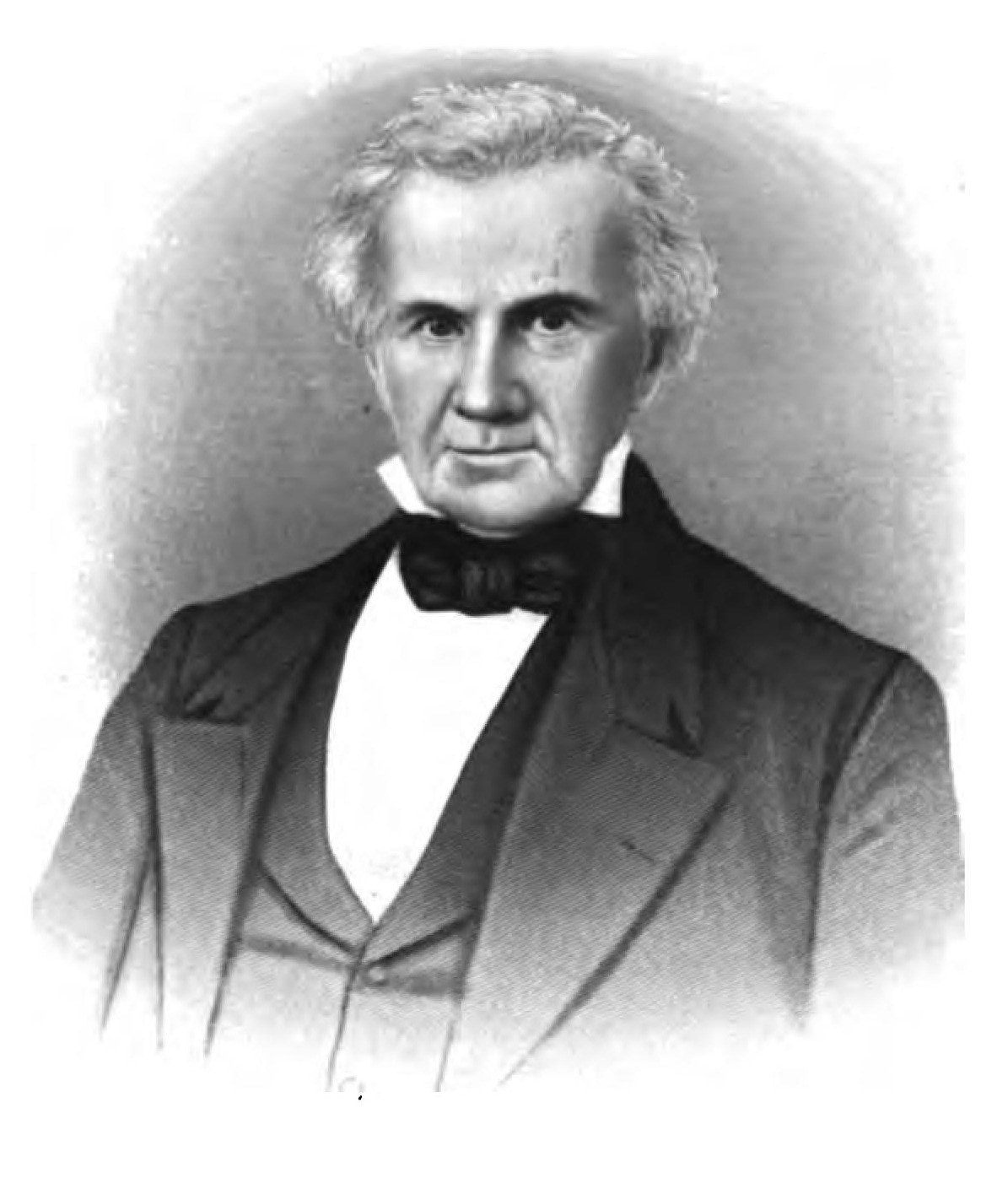
Duncan Cameron, engraving published 1906

Life and Orange County connections

Storylines this person is part of, in date order. Each has its own page.

StorylineHillsborough’s courthouse, jail, pillory and stocks, 1752–18371752–1837 · 43 events · From 1752 to 1837 the county and the Assembly built, lost and rebuilt Hillsborough's courthouse and jail. Until a frame courthouse was ready in December 1756 the court met in private homes, and in 1757 the sheriff was ordered to provide stocks, a pillory and a whipping post. The second county jail burned, a fire in March 1790 took the courthouse, and that year the Assembly ordered a new one where the burned one had stood. Henry Harris, a Black man jailed as a runaway because he could not prove his freedom, was charged with setting fire to the county jail. John Berry completed a two-story stone jail, set at no more than $4,000, in 1837. StorylineNaming the father: bastardy bonds and support awards in the county court, 1784–18181784–1818 · 34 events · When a single woman in Orange County had a child, the bastardy law aimed to keep the child from becoming a charge on the county: the man she named as father gave a bond and could be ordered to pay support, called the usual allowance of £27 by 1796. From 1784 to 1818 the county court took these bonds, set awards, sent for men who resisted and let juries decide when a man denied it. Some women gave the bond themselves, mothers sued to collect, the court sometimes paid others to keep a child, and some named men married the mother within days. StorylineFree children of color and the apprentice law, 1786–18641786–1864 · 102 events · Free families of color could lose their children to the county court, which bound them out as apprentices until they came of age. Some orders kept children with their families, as when the court ordered Jethro Pettiford, a free boy who had been offered for sale, returned to his mother in 1797. After an act of 1826–27 let courts bind out children of free people of color whose parents were not habitually at work, Mark Chilton counted their share of the court's apprentices rising from 12 to 44 percent. Through the 1840s and 1850s the court called in whole families, binding children as young as fifteen months, and its orders ran into 1864. StorylineThe county patrol, 1787–18291787–1829 · 14 events · From 1787 the Orange County court named patrols to watch the movements of enslaved people: patrols for Hillsborough, for the county's districts and, in 1799, for the neighborhood of the University. From at least 1807 the patrols were paid with a tax on each Black poll, and committees of justices drafted rules for them in 1809 and 1813. The court also licensed some enslaved men to carry guns on their owners' land, on the motions of men such as Richard Bennehan and Duncan Cameron, and twice ordered patrollers to give back guns they had taken. In 1829 Chapel Hill's first town ordinance set up a town patrol, and the county was still levying its patrol tax on Black polls. StorylineFreedom and free people of color in the county court, 1791–18171791–1817 · 13 events · Freedom from slavery in Orange County passed through the county court, which granted it under wills and petitions and judged the claims of free Black people held as slaves or runaways. In May 1791 it let Anne Hooper, widow of William Hooper, free John for his meritorious service. Over the next two decades it decreed freedom under the wills of James Armstrong, William Freeman and Major Absalom Tatom and on Pleasant Henderson's petition, often with new names such as Samuel Freeman and Tatom. It ordered Jethro Pettiford, a free boy offered for sale, returned to his mother in 1797, and discharged Joseph Lantorn and George Simms, jailed as suspected runaways, once they satisfied the justices they were free. StorylineStagville and Fairntosh: the Bennehan and Cameron plantations, 1799–18261799–1826 · 8 events · Stagville and Fairntosh grew into the Bennehan and Cameron plantations on the labor of enslaved people, and the county court's records show how the law reached into their lives. Richard Bennehan built Stagville in 1799 on about 4,000 acres worked by 44 or more enslaved people, and Duncan Cameron built Fairntosh beside it from 1810. In 1809 the court let four men they enslaved carry guns and made patrollers return six guns taken from others. Mary Walker was born into a family they held in 1818, and by 1826 the plantations sold close to 30,000 pounds of tobacco.
Show all 8 storylines
StorylineAgricultural societies and fairs in Orange County, 1821–18571821–1857 · 13 events · Orange County farmers organized agricultural societies repeatedly between 1821 and 1857. The Cane Creek Agricultural Society, reporting in 1821 that the county's wheat crop had largely failed, asked farmers to report their improvements and trials. A county society formed at Hillsborough in 1822, with Duncan Cameron as president, offered premiums and planned a cattle show, and in 1841 a grand jury proposed another. In 1853 the Orange County Society for the Promotion of Agriculture and the Mechanic Arts was organized under Paul C. Cameron. At its first fair, in 1854, Cameron predicted that the coming railroad would shake farmers out of their old habits. The society bought fair grounds near the depot in 1856 and held fairs through 1857. StorylineInternal improvements and the 1833 Hillsborough railroad convention, 1828–18371828–1837 · 16 events · From 1828 Orange County leaders pressed for river navigation and, above all, a central railroad through the state. That year James Mebane brought a flour boat down the Haw from Murphey's Mills, and a meeting with Joseph Caldwell giving the address urged a central railroad. The 1833 convention at Hillsborough chose Thomas Ruffin president, called for a Roanoke and Yadkin Rail Road and adopted Willie P. Mangum's report that the state should pay two-fifths of any work for which private citizens secured three-fifths. By August 1834 every Orange candidate for the Assembly had declared for the central railroad, and in 1837 Cadwallader Jones of Hillsborough was named to the Board of Internal Improvement.

Dated events connected with this person, in date order. See these 39 dated events in the chronology →

  1. Duncan Cameron sets up as a lawyer at Hillsborough Cameron was admitted to the North Carolina bar in 1798 and, after a brief practice at Martinsville in Guilford County, established himself as a successful attorney at Hillsborough. A rivalry with another young Hillsborough lawyer, William Duffy, followed. Place: Hillsborough · Also named: William DuffySearch the index · NCpedia (Dictionary of North Carolina Biography): Cameron, Duncan
  2. Duncan Cameron builds a law office on Margaret Lane, later the Nash Law Office Lawyer Duncan Cameron built a one-story Federal-style law office on his lots on Margaret Lane. In 1807 he sold the property to Frederick Nash, who kept his practice there and taught law students in it until his death in 1858. People: Frederick Nash Place: 143 West Margaret Lane, Hillsborough · Also mentions: Margaret LaneSearch the index · Hillsborough Historic District Additional Documentation (National Register, 2014), pdf page 101
  3. Hillsborough Academy reopens for boys and girls under Andrew Flinn The academy's trustees announced that it had reopened on a larger plan for youth of both sexes under the Rev. Andrew Flinn, teaching Latin, Greek, English, mathematics and bookkeeping. People: William Kirkland, Duncan Cameron, William Cain Sr., Walter Alves Place: Hillsborough · Also named: Andrew FlinnInternet Archive: Charles L. Coon, North Carolina Schools and Academies, 1790-1840: A Documentary History (1915)
  4. Cameron becomes a trustee of the University of North Carolina Cameron joined the board of trustees of the University of North Carolina in 1802, while he was practicing law at Hillsborough. Place: Chapel HillIn the index: University of North Carolina at Chapel Hill · NCpedia (Dictionary of North Carolina Biography): Cameron, Duncan
  5. The court lets Jack and Sam, enslaved by William Cain, carry guns to hunt On William Cain's motion the county court allowed two men he held in slavery, Jack at his plantation on New Hope Creek and Sam at his plantation on Little River, to carry a gun each and hunt in his woods. Cain, with Duncan Cameron as his security, gave a bond of £100 for their behavior. People: Duncan Cameron Place: William Cain's plantations on New Hope Creek and Little River · Also named: William Cain, Jack, SamMark Chilton, transcription of the Orange County Court of Pleas and Quarter Sessions minutes: August Term 1802
  6. Hillsborough Academy trustees engage Thomas Baron after George Johnston fails to arrive The academy trustees, Walter Alves among them, announced that George Johnston had not taken charge as promised and that they had engaged Thomas Baron, a Harvard graduate, to teach languages, arithmetic, geography and mathematics. People: Walter Alves, William Kirkland, Duncan Cameron, George Johnston Place: Hillsborough · Also named: Thomas BaronSearch the index · Internet Archive: Charles L. Coon, North Carolina Schools and Academies, 1790-1840 (1915)
  7. The court frees George, Cate, Sally, young George and Jack under Absalom Tatom's will The county court decreed that George, Cate, Sally, her child young George, and Jack be set free, as the will of the late Major Absalom Tatom directed. His executors, Duncan Cameron, John Hogg, Catlett Campbell and Samuel Goodwin, brought the will into court and applied for their freedom on the ground of their meritorious services to Tatom. The court found the services shown and gave the five all the rights and privileges of free-born Black people. People: Absalom Tatom, Duncan Cameron Place: Hillsborough (county court) · Also named: John Hogg, Catlett Campbell, Samuel Goodwin, Cate, George, Jack, SallyMark Chilton, transcription of the Orange County Court of Pleas and Quarter Sessions minutes: May Term 1803
  8. Suit by William Kirkland and others leads to the sale of Hannah and her children Legal proceedings brought by William Kirkland, Catlett Campbell, Jacob Greer and Isaac Mordecai against Robert Bell placed Hannah and her children Jenny and David in the hands of the sheriff. Sheriff Samuel Turrentine sold the three at public auction at the Hillsborough Market House to Duncan Cameron for 200 pounds. People: Duncan Cameron, William Kirkland Place: Hillsborough, Market House · Also named: Catlett Campbell, Jacob Greer, Isaac Mordecai, Robert Bell, Samuel Turrentine, David, Hannah, JennyOn These Grounds (UNC Libraries): 1804, Sale of Hannah, Jenny, and David
  9. The court orders a public clock for the courthouse and levies a tax for it The court ordered commissioners to contract with a suitable person to put up a public clock attached to the courthouse in Hillsborough, levied a tax of one shilling on each poll, on every 300 acres and on every 100 pounds of town property to pay for it, and named Duncan Cameron, John Allison, Catlet Campbell, Abner B. Bruce and Sterling Harris, or any three, to carry out the order. People: Duncan Cameron Place: Hillsborough, the courthouse · Also named: John Allison, Catlet Campbell, Abner B. Bruce, Sterling HarrisSearch the index · Mark Chilton, transcription of the Orange County Court of Pleas and Quarter Sessions minutes: May Term 1805
  10. Trustees repeal the monitor ordinance that set off the student secession The 1805 law made student monitors swear to report every breach of the rules, and forty-five students signed a remonstrance and left when it was only softened. The board repealed it unanimously in December, but few of the seceders came back. People: Archibald D. Murphey, Duncan Cameron, William Polk Place: Chapel HillSearch the index · Documenting the American South: Kemp P. Battle, History of the University of North Carolina, vol. I (1907), p. 204
  11. Frederick Nash moves from New Bern to Hillsborough Nash and his wife left New Bern for Hillsborough in 1807 seeking a healthier climate. There he bought a small one-story house, an office and cabins for slave quarters from Duncan Cameron. People: Frederick Nash, Duncan Cameron Place: HillsboroughSearch the index · NCpedia: Nash, Frederick
  12. On Duncan Cameron's motion the court sends to Caswell County for Benjamin Ponds At the August 1807 term, on the motion of Duncan Cameron, the county court ordered a capias issued to Caswell County against Benjamin Ponds, charged as the father of a child of Mary King of Orange County, and ordered that he give bond there in £50 to appear at the next county court. Ponds signed the bastardy bond on 24 August 1808. People: Duncan Cameron Place: Orange County court, Hillsborough · Also named: Benjamin Ponds, Mary KingSearch the index · Mark Chilton, Natural Child: Legitimacy, Sexuality and Shame in the Court Records of Orange County, North Carolina 1777 to 1868 (Wandering through the NC Piedmont)
Show all 39 dated events
  1. The court binds out seven children of Penny Weaver, a free woman of color The county court bound seven children of Penny Weaver, a free woman of color, to serve until they turned twenty-one: Nancy, born in 1792, to a Roberts whose first name the transcription leaves unread; Lucy to William Roberts; Edith to James Latta; Elizabeth, or Betty, to John Latta; Franky to Edward Harris; Penny to Robert Harris; and Simon, born in 1800, to Duncan Cameron. The six girls were to learn spinning and Simon farming. People: Duncan Cameron Place: Orange County · Also named: Penny Weaver, Nancy Weaver, Lucy Weaver, Edith Weaver, Franky Weaver, Simon Weaver, William Roberts, James Latta, John Latta, Edward Harris, Robert HarrisMark Chilton, transcription of the Orange County Court of Pleas and Quarter Sessions minutes: February Term 1808
  2. The court frees nine people under Absalom Tatom's will, who take the name Tatom On the petition of the trustees of Absalom Tatom's estate, the court decreed George, Cate, Jack, Sally and her son young George, and Sally's children Jesse, Jim, Patsey and Betsey free. The court found that the first five had done meritorious services and that Tatom had left them and their increase to trustees to have them freed. They were to be known as George Tatom, Cate Tatom, Jack Tatom, George Tatom the younger, Sally Tatom, Jesse Tatom, Jim Tatom, Patsey Tatom and Betsey Tatom, with the rights of free-born Black people. Trustees Will Kirkland, David Ray and Duncan Cameron gave bond that the county would not have to support them. People: Absalom Tatom, Duncan Cameron Place: Orange County · Also named: George Tatom, Cate Tatom, Jack Tatom, George Tatom the younger, Sally Tatom, Jesse Tatom, Jim Tatom, Patsey Tatom, Betsey Tatom, Will Kirkland, David RayMark Chilton, transcription of the Orange County Court of Pleas and Quarter Sessions minutes: August Term 1809
  3. The court lets four enslaved men on the Bennehan and Cameron lands carry guns The county court gave leave to carry guns to three men enslaved by Richard Bennehan, Frank Kennon at the store, Humphrey at the Little River plantations and a man at the Brick House whose name the transcription gives as Donom with a query, and to David, enslaved by Duncan Cameron at his Eno plantation. The owners gave bond and security as the law required. People: Richard Bennehan, Duncan Cameron Place: Richard Bennehan's Brick House, store and Little River plantations; Duncan Cameron's Eno plantation · Also named: Frank Kennon, David, HumphreyMark Chilton, transcription of the Orange County Court of Pleas and Quarter Sessions minutes: November Term 1809
  4. The court orders patrollers to return guns taken from Bennehan and Cameron slaves The court ordered Leonard Laws and George Laws, patrollers in what had been Captain Harris's company, now Duke's, in St. Mary's district, to return to Richard Bennehan and Duncan Cameron six guns they had taken from men the two held in slavery. People: Richard Bennehan, Duncan Cameron Place: St. Mary's district · Also named: Leonard Laws, George LawsMark Chilton, transcription of the Orange County Court of Pleas and Quarter Sessions minutes: November Term 1809
  5. Cameron builds Fairntosh east of the Stagville house On land beside Stagville that Richard Bennehan gave the couple at their 1803 marriage, Duncan Cameron began building Fairntosh in 1810, finished the main house in 1811 and added a large wing about 1818 to 1821. Its dependencies included his law office, a chapel and a family burying ground, and he went on to hold more than a thousand people in slavery. People: Richard Bennehan Place: Fairntosh · Also named: Rebecca Bennehan Cameron · Also mentions: StagvilleSearch the index · UNC Wilson Library, Southern Historical Collection: Cameron Family Papers #00133, biographical note · Also: NCpedia (Dictionary of North Carolina Biography): Cameron, Duncan
  6. The court orders the road from Bennehan's shop to the Eno mill turned past Duncan Cameron's new house The court ordered the sheriff to summon a jury to view and turn the road that ran from the forks at Bennehan's shop to the mill on the Eno, so that it would pass on the west side of the house Duncan Cameron had lately built, and to report at the next term. Place: Road from the forks at Bennehan's shop to the mill on the Eno (near Stagville, now Durham County)Search the index · Mark Chilton, transcription of the Orange County Court of Pleas and Quarter Sessions minutes: February Term 1810
  7. Hillsborough men organize a company to build a cotton and woolen factory Citizens of Hillsborough and Orange County met in 1813 to set up a joint-stock company for a cotton and woolen factory in or near the town, with at least a hundred shares at $25 each. Calling it the Hillsborough Manufacturing Company, the stockholders adopted rules that gave large holders proportionally fewer votes. John Umstead chaired and John Taylor Jr. was secretary; subscription books went to James Mebane, John Craig, Michael Holt and Duncan Cameron of Orange and to Frederick Nash, William Whitted and John Taylor Jr. of Hillsborough, with agents in a dozen other places. The author found no sign the company went beyond organizing. People: James Mebane, Duncan Cameron, Frederick Nash Place: Hillsborough · Also named: John Umstead, John Taylor Jr., Michael Holt, John Craig, William WhittedSearch the index · Internet Archive: North Carolina Historical Review 34 (1957), p. 22
  8. Robert H. Chapman resigns the university presidency At the first board meeting after the Shepard affair Chapman resigned, saying he wished to give himself to the ministry. The trustees made it effective at once, paid him half a year's salary and let him keep the president's house to the end of the session. People: Duncan Cameron, Robert Hett Chapman Place: Chapel HillSearch the index · Documenting the American South: Kemp P. Battle, History of the University of North Carolina, vol. I (1907), p. 239
  9. Orange County elects Michael Holt to the state senate over Duncan Cameron Orange County voters chose Michael Holt over Duncan Cameron for the state senate, 695 to 555, and sent Willie Shaw and James Mebane to the House of Commons ahead of William Barbee. The borough of Hillsborough re-elected John Scott to the Commons. People: Duncan Cameron, James Mebane, William Barbee Place: Court house and polling places, Orange County · Also named: Michael Holt, Willie Shaw, John ScottSearch the index · Hillsborough Recorder, August 16, 1820, p. 3
  10. The Orange County Agricultural Society is organized at Hillsborough A meeting at Hillsborough during superior court week organized an agricultural society for Orange County, with William Kirkland in the chair and John Taylor Jr. as secretary, adopted a constitution and offered premiums for the largest yields of corn, cotton, turnips and potatoes on reclaimed land; Duncan Cameron, James Mebane, William Norwood and Dr. James S. Smith formed its corresponding committee. People: William Kirkland, Duncan Cameron, James Mebane, William Norwood, James Strudwick Smith Place: Hillsborough · Also named: John Taylor Jr.Search the index · Hillsborough Recorder, March 27, 1822, p. 3
  11. The Orange Agricultural Society meets at Hillsborough and elects Duncan Cameron president The Orange Agricultural Society met in Hillsborough with a quorum, elected Duncan Cameron president, William Norwood first vice president, William Kirkland treasurer and John Taylor secretary, and named a corresponding committee. The meeting also took up claims for the premiums the society offered and voted money to several of them. People: Duncan Cameron, William Norwood, William Kirkland Place: Hillsborough · Also named: John TaylorSearch the index · Hillsborough Recorder, August 28, 1822, p. 3
  12. An Orange County meeting declares the state constitution defective and names four delegates for the reform convention Delegates from the county's militia captains' districts met at the Hillsborough court house, resolved that the state constitution was defective and ought to be amended, and endorsed the Raleigh convention movement. They recommended Thomas Ruffin, Willie P. Mangum, James S. Smith and Michael Holt as Orange's delegates to the November meeting at Raleigh and asked the sheriff to open a poll for delegates at the next election. People: Thomas Ruffin, Willie P. Mangum, James Strudwick Smith, Duncan Cameron Place: Court house, Hillsborough · Also named: Michael HoltSearch the index · Hillsborough Recorder, June 11, 1823, p. 3
  13. The Orange County Bible Society holds its first anniversary meeting The Auxiliary Bible Society of Orange County met at Hillsborough, heard its first annual report and re-elected Judge William Norwood president. The board reported that it had given out 110 of the 100 Bibles and 75 Testaments received from the American Bible Society in a county of 23,492 people, cut annual dues to one dollar, and moved future anniversaries to the first Monday in August. People: William Norwood, James Webb, Duncan Cameron, William Kirkland, James Mebane, William Huntington, John Witherspoon, Walker Anderson Place: HillsboroughSearch the index · Hillsborough Recorder, July 16, 1823, p. 3
  14. Faculty and Orange County trustees expel two students who attacked professors Two students, drunk from the village grog shop and armed with a club and a pistol, went out after members of the faculty and assaulted two of them. The trustees living in Orange County were called to sit with the faculty, and the two were expelled. People: Elisha Mitchell, Duncan Cameron, Thomas Ruffin, James Webb, Francis L. Hawks Place: Chapel HillSearch the index · Documenting the American South: Kemp P. Battle, History of the University of North Carolina, vol. I (1907), p. 298
  15. Duncan Cameron records tobacco sales of nearly 30,000 pounds Cameron's accounts for 1826 show close to 30,000 pounds of tobacco sold from the Bennehan-Cameron plantations, where the crop was grown with the labor of enslaved people. People: Duncan Cameron Place: Bennehan-Cameron plantations (then Orange County)NC Historic Preservation Office: Richard L. Mattson, History and Architecture of Orange County (1996), p. 12
  16. Bishop Ravenscroft consecrates Salem Chapel, built by Duncan Cameron near his home Duncan Cameron paid for a chapel near his residence in Orange County for his household and neighbors, standing by 1825 and still unfinished when the bishop preached in it in May 1826. After Cameron executed the deeds, Bishop Ravenscroft consecrated it as Salem Chapel on Sunday, October 7, 1827, assisted by Mr. Wright of Salisbury and by William Mercer Green, who served it from Hillsborough. People: John Stark Ravenscroft, William Mercer Green Place: Salem Chapel, near Duncan Cameron's residence, Orange County · Also named: Bishop RavenscroftSearch the index · Joseph W. Murphy, A Sermon-Sketch of the History of St. Matthew's Parish, Hillsboro, N.C. (1900), scan p. 31
  17. Farmers of Orange, Chatham and Guilford meet to talk about a railroad On August 1, 1828, citizens of Orange, Chatham and Guilford met at William Albright's store in Chatham County, with James Mebane of Orange in the chair, to urge a central railroad through North Carolina, the first such meeting in the state. The Rev. Joseph Caldwell gave the address, which was to be printed as a pamphlet, and Caldwell, Duncan Cameron and Michael Holt were named the Orange members of a committee of correspondence. Public meetings on a line through the county went on into the early 1850s. People: Duncan Cameron, Joseph Caldwell, James Mebane Place: William Albright's store, Chatham County · Also named: William Albright, Michael HoltSearch the index · NC Digital Collections: Historic Resources of Orange County, National Register multiple property documentation form (1993), p. 19 · Also: Hillsborough Recorder, August 13, 1828, p. 3
  18. An Orange County mass meeting calls for state aid to roads and river navigation Friends of internal improvement met at the court house in Hillsborough on April 20, 1829, with Thomas Clancy in the chair and Dennis Heartt as secretary. After the Rev. Joseph Caldwell spoke on the county's want of markets, Caldwell, Duncan Cameron and Cadwallader Jones were named to draft an address. At the adjourned meeting on May 25, chaired by Dr. James Webb, the meeting adopted the address to the people of Orange, which held that a fund for internal improvement must be raised by taxation, and had 500 copies printed for circulation in the county. People: James Webb, Dennis Heartt, Duncan Cameron, Joseph Caldwell Place: Court house, Hillsborough · Also named: Thomas Clancy, Cadwallader JonesSearch the index · Lefler and Wager, Orange County, 1752-1952 (1953), p. 86 · Also: Hillsborough Recorder, April 22, 1829, p. 3; Hillsborough Recorder, June 10, 1829, p. 2
  19. Orange citizens name Duncan Cameron, Frederick Nash and James Mebane to the state improvement convention An adjourned meeting of Orange County citizens at Hillsborough chose Duncan Cameron, Frederick Nash and James Mebane as the county's delegates to the state internal improvement convention due to meet at Raleigh in November. People: Frederick Nash, James Mebane, Duncan Cameron Place: HillsboroughSearch the index · The Harbinger (Chapel Hill), September 17, 1833, p. 3
  20. Duncan Cameron of Orange is elected president of the state Colonization Society Cameron, a leading Orange planter and banker, took the presidency of the North Carolina branch of the colonization movement in 1834. People: Duncan Cameron Place: Orange CountyLefler and Wager, Orange County, 1752-1952 (1953), p. 104
  21. An Orange County meeting takes up the internal improvement convention's plan Citizens met at the court house in Hillsborough to hear the county's delegates to the November 1833 Internal Improvement Convention. Duncan Cameron urged a vigorous state system of improvements, Frederick Nash read the convention's memorial to the legislature, and the meeting named Nash, William A. Graham, Priestly H. Mangum and Walker Anderson to draft an address to the people of Orange, adjourning to Thursday of May court. People: Duncan Cameron, Frederick Nash, William A. Graham, Walker Anderson, Edmund Strudwick Place: Court house, Hillsborough · Also named: Priestly H. MangumSearch the index · The Harbinger (Chapel Hill), March 13, 1834, p. 3
  22. Duncan Cameron gives his son Paul C. Cameron forty-one enslaved people Duncan Cameron deeded his son Paul C. Cameron forty-one enslaved people, with any children the women would bear: Gabriel, Mima, Simeon and Sarah in Orange County, and families at the Mill Quarter plantation in Person County, among them Phillip and Jenny and their children Randol, Jim, Ellen, Nancy and Phill. Cameron acknowledged the deed before Justice William Gaston at Raleigh on January 1, 1835. People: Duncan Cameron, Paul C. Cameron, William Gaston Place: Orange County and Person CountyOrange County Register of Deeds: Deed Book 26, p. 184 (deed image) · Also: Orange County Register of Deeds: sales of enslaved people, 1761-1867; Orange County Indexed: the record of Deed Book 26/184, with everyone named in it; Mark Chilton’s abstract of Deed Book 26/184, in Orange County Indexed’s historic deeds
  23. St. Matthew's adds a gallery for Black worshippers under William Mercer Green In 1835, during William Mercer Green's rectorship, a gallery was added to St. Matthew's Church in Hillsborough to seat Black worshippers. Green also held monthly services at Duncan Cameron's Salem Chapel, where he gave instruction to enslaved people. People: William Mercer Green, Duncan Cameron Place: Hillsborough, St. Matthew's Episcopal ChurchSearch the index · St. Matthew's Episcopal Church, Hillsborough: From the Abundance of God's Grace: A Brief History of St. Matthew's Parish, 1752-2017
  24. Trustees create an executive committee to run the university At Duncan Cameron's instance the board placed management in a seven-member executive committee including the governor, with the powers of the land, appointments and building committees and the right to change studies and dismiss faculty. The first members were Cameron, George E. Badger, William McPheeters, Charles Manly, Frederick Nash, William A. Graham and Governor Swain. People: Duncan Cameron, David L. Swain, Frederick Nash, William A. Graham, George E. Badger, Charles Manly, William McPheeters Place: Chapel HillSearch the index · Documenting the American South: Kemp P. Battle, History of the University of North Carolina, vol. I (1907), p. 399
  25. Trustees sell off the university's Tennessee lands On resolutions drafted by Duncan Cameron, the executive committee sent Charles Manly to Tennessee to close out the lands with agent Samuel Dickens, and 42,345 acres plus the 20,000 Smith acres went to Orme and Gifford of Boston for $56,345.83. Manly's report of November 21, 1835 counted assets of $171,658, which he reckoned would carry the university's yearly costs with a surplus. People: Duncan Cameron, David L. Swain, Charles Manly Place: Chapel Hill · Also named: Samuel DickensSearch the index · Documenting the American South: Kemp P. Battle, History of the University of North Carolina, vol. I (1907), p. 400
  26. William Mercer Green pledges fifteen enslaved people and his Bolin Creek land for a loan To secure 2,500 dollars borrowed from John H. Bryan, with David L. Swain and Duncan Cameron as his sureties, William Mercer Green conveyed to William H. Battle in trust his land on Bolin Creek near Chapel Hill and fifteen enslaved people: Jenny, Nancy, Lucy, Frances, Ellen, Celia, Anne, Julia, Rachel, Margaret, Peter, Sam, Aaron, Cain and Robert. If the debt went unpaid, they were to be advertised in the Hillsborough Recorder and sold at Chapel Hill to the highest bidder. People: William Mercer Green, William Horn Battle, David L. Swain, Duncan Cameron Place: Bolin Creek, near Chapel Hill · Also named: John H. BryanOrange County Register of Deeds: Deed Book 32, p. 118 (deed image) · Also: Orange County Register of Deeds: sales of enslaved people, 1761-1867; Orange County Indexed: the record of Deed Book 32/118, with everyone named in it; Mark Chilton’s abstract of Deed Book 32/118, in Orange County Indexed’s historic deeds
  27. Duncan Cameron gives Thomas D. Bennehan's charity bequest to the Orange County wardens of the poor The Court of Wardens of the Poor for Orange County accepted from Duncan Cameron a gift for the county's poor, made under the clause of Thomas D. Bennehan's will that left Cameron $1,000 for Christian and benevolent purposes at his discretion, entered it in their minutes and sent him their thanks. Place: Orange County · Also named: Thomas D. BennehanSearch the index · Hillsborough Recorder, March 29, 1848, p. 3

Places in this person’s story

Buildings, schools, churches and other sites named in the dated events on this page, the most often named first. The map shows them all.

Map tiles © OpenStreetMap contributors. Site locations from the N.C. State Historic Preservation Office survey, Open Orange, Orange County GIS, OpenStreetMap and a few other published sources named on each site’s page; town and community pins show approximate locations.

All places and the county map →

People named in the same events

People named in the same dated entries as Duncan Cameron, those sharing the most entries first. Each line links one of the shared entries in the chronology, where its source is cited. A shared entry shows these people in the same event, not how well they knew each other.

Show 22 more

Background on Orange County’s nineteenth-century academies

Background reading on Orange County’s nineteenth-century academies. These works cover the broader subject and may not discuss Duncan Cameron. Follow a link to find a copy or view the material.

By Duncan Cameron

To the freemen of Orange County. Fellow-citizens, the General Assembly of this state commenced its session on Monday the 15th of November, and adjourned this day ...

Cameron, Duncan · 1813

Sixteen-page pamphlet by Duncan Cameron addressed to Orange County's freemen, reporting on the state legislative session that opened November 15, 1813. Cameron first summarizes the session's acts and resolutions and then turns to the federal government, criticizing its handling of defense during the War of 1812. Subjects include North Carolina politics and government, 1775-1865, and Orange County history.

To the freemen of Orange County : under the same impressions and sense of duty which led me at the close of the last session of the General Assembly ...

Cameron, Duncan, 1777-1853 · 1807

Printed at Raleigh as a broadside in 1807, a sheet in which Duncan Cameron, writing to the freemen of Orange County, reports to his constituents on the acts passed at the last session of the General Assembly. Signed at the end by Cameron and dated December 19, 1807.

About Duncan Cameron

Anna Burwell and the business of being a Presbyterian minister's wife in North Carolina, 1835-1857

Hoffert, Sylvia D. · 2019 · Historical Research Office, Office of Archives and History

Sylvia D. Hoffert's article on Margaret Anna Burwell, 1810 to 1871, and the work of being a Presbyterian minister's wife in North Carolina from 1835 to 1857, the years of the female school she and her husband kept in Hillsborough. Pages 245 to 275 with illustrations, facsimiles and portraits, issued by the Office of Archives and History in Raleigh in 2019.

UNC

Antebellum Hillsborough, Slavery, and Enslaved and Free People of Color Who Worked at the Burwell School, 1837-1857

Historic Hillsborough Commission (Hillsborough, N.C.) · 2019

The Historic Hillsborough Commission's account of slavery in antebellum Hillsborough and of the enslaved and free people of color who worked at the Burwell School, the female school the Burwells kept in town, between 1837 and 1857. African American history in Hillsborough and the school's own history are its two threads. Published in 2019.

The Book of Burwell Students

Engstrom, Mary Claire · 1979 · Historic Hillsborough Commission

Mary Claire Engstrom's biographical register of the young women who attended the Burwell School in Hillsborough, subtitled lives of educated women in the antebellum South. The school was kept by Margaret Anna Burwell and her husband, and the book bears on women's education in nineteenth-century North Carolina. Published by the Historic Hillsborough Commission, 1979, 256 pages with illustrations and portraits.

Dr. John Rogers, 1794-1832

Rogers, Ellen Stanley · 1966

Ellen Stanley Rogers's family history centered on Dr. John Rogers (1794-1832) and his connection to Hillsborough Academy. Compiled in 1966, 49 pages with bibliographical footnotes.

The natural bent : the memoirs of Dr. Paul B. Barringer

1949

Memoirs of Dr. Paul B. Barringer, physician and educator, published by the University of North Carolina Press in 1949, 280 pages. Barringer attended the Bingham School in Orange County as a boy; he went on to a career in medicine and later headed the University of Virginia and Virginia Tech. Subjects include physicians and Bingham School students.

A Sketch of the School of the Misses Nash and Miss Kollock, Hillsboro, North Carolina

Primrose, Ella P. · 1926

Ella P. Primrose's short sketch of the school kept by the Misses Nash and Miss Kollock in Hillsborough, a select boarding and day school for girls in the nineteenth century. Printed in Raleigh in 1926, 13 pages with a single plate.

Show 6 more about Duncan Cameron

An Historical Address Delivered in Saint Matthew's Church, Hillsboro, N.C., on Sunday, August 24, 1924

Cheshire, Joseph Blount · 1925

Address by Bishop Joseph Blount Cheshire at St. Matthew's Church in Hillsborough on 24 August 1924, marking the parish's hundredth anniversary. Printed in Durham in 1925 at the vestry's order, with a foreword by the rector. Cheshire discusses George Micklejohn, William Mercer Green and Moses Ashley Curtis.

Parent, a word with you about your boy

1910 · Bingham School

Recruiting booklet from Bingham School, the private school in Orange County near Mebane, published in 1910: a word to parents about their boy, with the sentence begun on the cover completed page by page as reasons to enroll him. Signed at the end by Preston Lewis Gray, president of the school. Fourteen pages with illustrations in a small oblong format.

UNC

Where can I send my boy to a safe school?

1907 · Bingham School

Promotional booklet from the Bingham School in Orange County, gathering testimonials from students, parents and others about the quality of its teaching and the way the school was run; the latest testimonials date from 1907. Twenty unnumbered pages with illustrations in a small 9 by 16 cm format.

UNC

A few reasons why the Bingham School, Orange County, near Mebane, N.C. is the best place to educate your boy

1899 · Edwards & Broughton, printers and binders

Small promotional pamphlet for the Bingham School, the private boys' school in Orange County near Mebane, setting out reasons a parent should send a son there. Signed by Preston Lewis Gray on the last page and printed by Edwards & Broughton in Raleigh, around 1899. Ten unnumbered pages, 9 by 16 centimeters.

UNC

Soiree musicale at the Misses Nash and Miss Kollock's School : Hillsboro, N.C., June 10, 1891

1891 · The School

Single-sheet program for a soiree musicale given June 10, 1891 at the Misses Nash and Miss Kollock's School in Hillsborough, a girls' school of the period. It lists the student performers and the music they played, a small record of a school evening and of Hillsborough printing in 1891. One unnumbered page, 22 by 13 centimeters.

UNC

[Form letter] 1882 September 6, Mebaneville, N.C., Dear sir

Bingham, R. · 1882 · R. Bingham

Form letter from R. Bingham concerning the Bingham School, dated September 6, 1882 at Mebaneville, North Carolina, and addressed Dear sir. The family's boarding school was then in Orange County. A single printed sheet, 26 by 21 cm.

UNC

Records of enslaved people

13 records, 1810 to 1834, name Duncan Cameron as a party to the sale, gift, trust or other transfer of enslaved people. Each record lists the people named in it, with their ages and family ties.

Search all records of enslaved people in Orange County →

Deeds

68 deeds, 1801 to 1847, in the county’s deed books name Duncan Cameron as a party, from Mark Chilton’s published abstracts. Each links to the deed-book page at the Register of Deeds.

Show all 68 deeds

Search every historic deed →

Wills

7 wills and papers in the county’s will books name Duncan Cameron, from Ruth Herndon Shields’s abstracts. Each shows the role and the year.

Search the wills →

Research sources

Sources and research tools for this person. For ready-made searches of other catalogs, see Search further. Research guide: Trace a family through historical records.

Records of the time

Collections and databases

  • NC LIVE: prepared search for Duncan Cameron Library card Search NC LIVE for this subject and Orange County. You can change the search terms. Sign in through your North Carolina library to access the materials.
  • Ancestry Library Edition In the libraryOrange County Public Library Census, birth, death and marriage records, and more, free on the public computers at OCPL libraries

Local help

Search further

Search other catalogs and collections for this name. Results may include other people with the same name and have not been reviewed by the Friends.

Books about Duncan Cameron

Books by Duncan Cameron

Find copies at other libraries

Photographs, papers, and newspapers

Historical records and collections

Catalog searches use the Library of Congress name heading: Cameron, Duncan, 1777-1853. Historical-record searches use the person’s name and may include namesakes. Links open in a new tab.

Found a book OCPL doesn’t own? You can often borrow it through interlibrary loan at OCPL.

Picture: Duncan Cameron, engraving published 1906. Public domain. Samuel A. Ashe, ed., Biographical History of North Carolina, vol. III (1906); via the Internet Archive

More to discover

Keep Reading Local

The Friends connect people with new library materials, local writers and publishers, and resources documenting Orange County.

Two mice reading back to back against a leaf, with the hand-lettered words Friends of the Orange County Public Library
Illustration by Caldecott Medalist Matthew Cordell, gifted to the Friends 2026
