Skip to content

Local figure

Joseph Hyde Pratt

Joseph Hyde Pratt came to North Carolina in 1897 as state mineralogist and made his home in Chapel Hill for the rest of his life. As state geologist from 1906 to 1924 he led the Geological and Economic Survey, organized good roads associations and worked for national forests. He died in Chapel Hill in 1942.

Source: Association of American State Geologists: Joseph Hyde Pratt (North Carolina)

1870–1942 · Dates from the Library of Congress · On the Friends’ Local Authors roster → · Library of Congress authority record ↗

5 works about Joseph Hyde Pratt are indexed here, as are 2 works by Pratt.

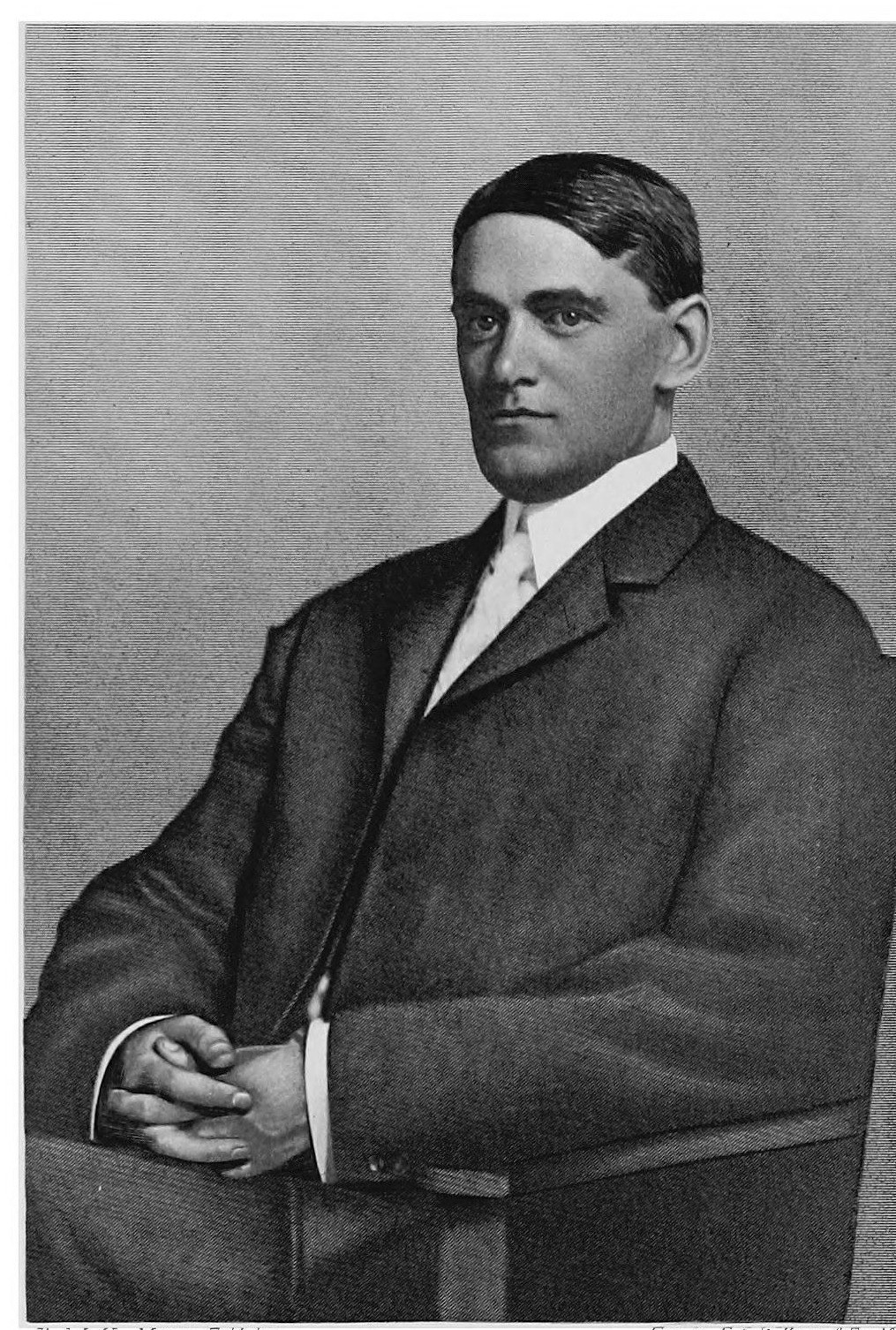
Joseph Hyde Pratt, engraving, 1906

Life and Orange County connections

Storylines this person is part of, in date order. Each has its own page.

StorylineThe county road bonds of 1911–19121911–1912 · 6 events · Orange County's first bonds, $250,000 to build roads, passed narrowly in 1912 and left a debt not cleared until 1953. Support built through 1911, with delegates to a state good roads convention and a talk to farmers by State Geologist Joseph Hyde Pratt, but the commissioners put off a bond election until spring. In February 1912 a Chapel Hill meeting named a citizens' committee to work for the bonds, and on March 19 the county voted 919 to 831 to borrow the money, with a good roads commission to pick the roads. Work waited while Frank Nash made up a case on the county road law for the state Supreme Court. The bonds sold about a year after the vote. StorylineHighways through Orange County, 1911–19241911–1924 · 17 events · Hillsboro fought to be on the Central Highway, and between 1911 and 1924 hard roads were built across Orange County. In 1911 Hillsboro, joined by delegations from Durham and Mebane, pressed its claim, and the trustees chose the route by way of Hillsboro and Mebane. In 1919 the commissioners let the national highway across the county. The 1921 Highway Act, championed by Harriet Morehead Berry of Hillsborough, paid for a state network whose Central Highway ran through the town. The state bridged the Eno at Hillsboro in 1922, and the Durham-Hillsboro highway opened in 1924, after paving had sent traffic through Chapel Hill and onto a private detour whose owner charged drivers. StorylineBattle Park and the Battle Park Association, 1914–19331914–1933 · 6 events · Kemp Battle's paths through Battle Park were restored from 1931 by volunteers who were then put in charge of the land around University Lake as well. Students cleaned the park's trails during Community Service Week in 1914, and by 1917 an open-air theatre stood on a hillside there. In 1931 a meeting at Colonel Joseph Hyde Pratt's home launched the Battle Park Association, and citizens working without pay under Pratt cleared paths and built bridges, opening about three miles of trail that year. In 1933 the association was incorporated, and the University trustees put it in charge of both Battle Park and the land around the new University Lake, where it ran motorboat rides to pay for more improvements. StorylineThe Mary Bayley Pratt Children's Library, 1929–19401929–1940 · 8 events · Chapel Hill's children's library began in the spring of 1929 with citizens' gifts and kept going on memberships and gifts as its appropriation fell. That October it moved into a basement room of the Chapel Hill school as the Mary Bayley Pratt Memorial Library. William Bayley, brother of the late Mrs. Joseph Hyde Pratt, and his family gave $1,500 toward a permanent endowment, and in the year to June 1931 the library lent 17,181 books. With its appropriation down to $94.61 in 1933-34, it cut its yearly membership fee from $5 to $1. In the spring of 1940 a campaign brought in more than $185 from 822 contributors, some children giving their weekly allowances. StorylineThe North Carolina Symphony in Chapel Hill, 1932–19741932–1974 · 8 events · Founded in Chapel Hill in 1932 as the start of a planned full-time state orchestra, the North Carolina Symphony folded for lack of money and was revived under Benjamin Swalin. Backers of Lamar Stringfield's plan formed the North Carolina Symphony Society in President Frank Porter Graham's office, and fifty-three musicians played its opening concert in Hill Music Hall under Stringfield. In 1934 a federal relief grant brought about forty musicians to Chapel Hill for summer concerts. After the orchestra folded, a 1939 meeting set out to revive it with Swalin as conductor. In 1946, after an expansion campaign let Swalin hire professional players, the Daily Tar Heel's critic called it the most capable musical organization then playing in the state. A 1966 Ford Foundation grant aimed to make it a full-time orchestra, and in 1974 its board voted to move it from Chapel Hill to Raleigh. StorylineChapel Hill’s Dogwood Festival, 1933–19351933–1935 · 5 events · Begun in April 1933 in the Forest Theatre with fiddlers and ballad singers, and more than 1,500 North Carolina crafts shown in the Graham Memorial, the Dogwood Festival paid its expenses from 25-cent admissions and was held again in 1934 and 1935. By 1934 the state had chartered it as a non-stock corporation to promote folk music, drama, dancing, crafts and the protection of native dogwoods, with Russell M. Grumman as president. The second festival brought more than 100 unpaid performers and exhibitors, from Ashe County musicians to the Jugtown potters. The third included a Cherokee ball game that, the Weekly reported, filled the stands at Emerson Field, and a state Scout Jubilee that brought about 1,600 Boy Scouts.
Show all 7 storylines

Dated events connected with this person, in date order. See these 64 dated events in the chronology →

During their lifetime

  1. Joseph Hyde Pratt comes to North Carolina and settles in Chapel Hill Pratt came to North Carolina in 1897 as state mineralogist and made his home in Chapel Hill for the rest of his life. He also lectured in mineralogy at the university. Place: Chapel HillSearch the index · Association of American State Geologists: Joseph Hyde Pratt (North Carolina)
  2. Harriet Berry works for the state Geological and Economic Survey in Chapel Hill Berry began work in Chapel Hill with the North Carolina Geological and Economic Survey in 1901 and rose from stenographer to secretary and, in 1917, acting head. She left in 1921, the year her Good Roads lobbying produced the state highway commission law. People: Harriet Morehead Berry, Joseph Hyde Pratt Place: Chapel HillSearch the index · NC Department of Natural and Cultural Resources: Harriet M. Berry 1877-1940 (G-100) · Also: Orange County Observer (Hillsborough), February 14, 1901, p. 3
  3. Joseph Hyde Pratt teaches economic geology at UNC Pratt was professor of economic geology at the University of North Carolina from 1904 to 1925, while also serving as state geologist. Place: Chapel HillSearch the index · UNC Libraries: Joseph Hyde Pratt Papers, 1889-1942
  4. Geologist Joseph Hyde Pratt builds a Colonial Revival house on East Franklin Street Joseph Hyde Pratt, UNC professor of economic geology and later state geologist, builds a two-story Colonial Revival house set well back on a large lot on East Franklin Street. Pratt also built several other houses on that part of the street. Place: 704 East Franklin Street, Chapel Hill · Also mentions: East Franklin StreetSearch the index · National Register: Chapel Hill Historic District Boundary Increase and Additional Documentation (OR1750, 2015), section 7 · Also: Chapel Hill Historic Sites Survey
  5. Faculty members organize the Chapel Hill Country Club About forty-five people, mostly university faculty, organized a country club and rented a house and several acres at the edge of Chapel Hill, laying out golf links and tennis courts. Joseph Hyde Pratt chaired its board of governors. People: Joseph Hyde Pratt, Archibald Henderson, Charles H. Herty Place: Rented house and grounds at the edge of Chapel HillSearch the index · The Tar Heel, January 16, 1908, p. 1
  6. Hillsboro presses its claim to the Central Highway route The committee named by the Central Highway Commission to pick a route across the state, H. B. Varner, Joseph Hyde Pratt, James A. Wellons and William Dunn, met at Hillsboro with delegations from Durham and Mebane who came in twelve automobiles. John W. Graham presided; W. G. Bramham promised Durham's support if the road came through Hillsboro, Will White said Mebane had just arranged to build a mile of macadam, and a Cheeks Township speaker offered to build the road to the Alamance line if Hillsboro built to the township line. People: Joseph Hyde Pratt, John W. Graham, Julian S. Carr Place: Hillsborough · Also named: H. B. Varner, James A. Wellons, William Dunn, W. G. Bramham, Will WhiteSearch the index · Orange County Observer (Hillsborough), June 22, 1911, p. 5
  7. Joseph Hyde Pratt speaks on good roads to farmers at Hillsboro Farmers crowded into Hillsboro for meetings of the Farmers' Union, the Orange Telephone Company and the Farmers' Mutual Fire Association, and heard State Geologist Joseph Hyde Pratt speak on good roads. Place: HillsboroughSearch the index · Orange County Observer (Hillsborough), July 6, 1911, p. 5
  8. The Central Highway trustees choose the Hillsboro and Mebane route The trustees of the state's Central Highway decided to route the road by way of Hillsboro and Mebane. Joseph Hyde Pratt sent word of the decision to Frank Nash. People: Joseph Hyde Pratt, Frank Nash Place: HillsboroughSearch the index · Orange County Observer (Hillsborough), July 6, 1911, p. 5
  9. A Chapel Hill good roads meeting names a citizens' committee for the road bonds A good roads meeting at Chapel Hill passed a resolution for a citizens' committee to work for good roads ahead of the county's $250,000 road bond vote. The chairman named 39 men to it, with George Pickard as chairman and Joseph Hyde Pratt and Charles H. Herty among the members. People: Joseph Hyde Pratt, Charles H. Herty Place: Chapel Hill · Also named: George PickardSearch the index · The News (Chapel Hill), March 14, 1912, p. 5
  10. Students improve Franklin Street and Battle Park during Community Service Week During Graham's first statewide Community Service Week, about a hundred students worked on Chapel Hill: one crew graded Franklin Street under Joseph Hyde Pratt with teams paid for by merchants and bankers, others cleared the grounds around Swain Hall, cleaned the Battle Park trails under the Rev. W. D. Moss and gathered trash from the alleys. People: Edward Kidder Graham, Joseph Hyde Pratt, William Dygnum Moss Place: Franklin Street and Battle Park, Chapel Hill · Also mentions: Swain Hall, Franklin StreetSearch the index · Howard E. Covington Jr., Fire and Stone: The Making of the University of North Carolina under Presidents Edward Kidder Graham and Harry Woodburn Chase (2018), p. 102
  11. The first Good Roads Institute meets at Chapel Hill State geologist and faculty member Joseph Hyde Pratt chaired the first Good Roads Institute held at Chapel Hill. The institute later became part of the university's extension program. People: Joseph Hyde Pratt Place: UNC, Chapel HillSearch the index · Howard E. Covington Jr., Fire and Stone: The Making of the University of North Carolina under Presidents Edward Kidder Graham and Harry Woodburn Chase (2018), p. 102
  12. The Chapel Hill to Durham road is turned over to the federal engineer The commissioners placed the road under the U.S. government engineer, as the central highway through Hillsborough already was, and set $40 a mile a year for upkeep. On May 1 they did the same for the road from Carrboro to the Alamance line by way of White Cross. People: Joseph Hyde Pratt Place: Chapel HillSearch the index · Lefler and Wager, Orange County, 1752-1952 (1953), p. 206
Show all 63 dated events
  1. Joseph Hyde Pratt sells the 489-acre Berry place east of Hillsboro Dr. Pratt of Chapel Hill sold his farm, the Berry place two miles east of Hillsboro, to J. A. Giles of Durham for about $10,000. The News called the 489-acre tract one of the most valuable in the county; W. C. Merritt stayed on to manage it. Place: Berry place, two miles east of Hillsborough · Also named: J. A. Giles, W. C. MerrittSearch the index · The News (Chapel Hill), July 19, 1917, p. 1
  2. The university grants war leaves to eleven faculty members President Edward K. Graham told the trustees' executive committee that eleven faculty members going into war service, among them Joseph Hyde Pratt, P. H. Winston, T. J. Campbell and Frank P. Graham, had been granted leave for the duration. A partial list already counted 213 lieutenants, 24 captains and 11 majors among university men. People: Edward K. Graham, Joseph Hyde Pratt, Frank Porter Graham Place: University of North Carolina, Chapel Hill · Also named: P. H. WinstonThe News (Chapel Hill), September 6, 1917, p. 1
  3. Chapel Hill welcomes home its World War soldiers alongside Confederate veterans On Saturday, May 10, 1919, a parade of Confederate veterans, returned soldiers and sailors, former student soldiers and town groups filled Franklin and Columbia Streets. Over 2,000 people crowded Memorial Hall to hear Archibald Henderson, L. P. McLendon and Joseph Hyde Pratt, with William Cain presiding. People: Archibald Henderson, Joseph Hyde Pratt, Andrew Henry Patterson Place: Chapel Hill · Also named: William Cain, L. P. McLendon · Also mentions: Memorial HallSearch the index · Documenting the American South: A Record of the War Activities in Orange County, North Carolina, 1917-1919, p. 115
  4. Country Club trades land with W. C. Coker to extend its golf course to nine holes The Chapel Hill Country Club's annual meeting on January 31, 1929, approved an exchange in which the club gave up 6 acres and received 29 from W. C. Coker, enough to extend its golf course to nine holes, and elected Colonel Joseph Hyde Pratt president. On February 9 Coker gave the six-acre hill back to the club so it could stay open. People: William Chambers Coker, Joseph Hyde Pratt, Sturgis E. Leavitt Place: Country Club golf links, Chapel HillSearch the index · The Chapel Hill Weekly, February 8, 1929, p. 1
  5. The Chapel Hill Red Cross chapter plans its roll call and public health work About fifty citizens of Chapel Hill and Carrboro met at Col. Joseph Hyde Pratt's house to plan the chapter's annual roll call and its public health work, including a push for a county public health nurse, in a territory taking in Carrboro and the southern part of the county. The roll call opened November 13 with a goal of 1,000 members and passed 300 by November 28. People: Joseph Hyde Pratt Place: Col. Joseph Hyde Pratt's house, Chapel Hill · Also named: G. M. HillSearch the index · The Chapel Hill Weekly, November 1, 1929, p. 3
  6. Chapel Hill marks Armistice Day with a reading of the Orange County war dead At the joint University and American Legion ceremony in Gerrard Hall, Dean Addison Hibbard read the roll of the University's World War dead and post commander Paul Robertson the roll of Orange County's, and Col. Joseph Hyde Pratt urged his hearers to vote and serve as they had in 1917 and 1918. The day before, the Legion post showed 'The Soul of France' at the Carolina Theatre with an offering for disabled veterans at Oteen. People: Joseph Hyde Pratt, John M. Booker, Alfred Stratton Lawrence, Paul H. Robertson, Addison Hibbard Place: Gerrard Hall, UNC, Chapel Hill · Also named: Paul Robertson · Also mentions: Carolina TheatreSearch the index · The Chapel Hill Weekly, November 15, 1929, p. 1
  7. Chapel Hill raises its Red Cross drought-relief quota and a fund for the county's needy About 900 people gave toward the Chapel Hill Red Cross chapter's $600 quota for the national drought-relief appeal and $250 more for the needy of Orange County, chairman Joseph Hyde Pratt reported. A benefit picture at the Carolina Theatre on February 8 helped; Pratt had said any money above the quota would be spent on relief in Orange County. People: Joseph Hyde Pratt, E. Carrington Smith Place: Chapel Hill · Also mentions: Carolina TheatreThe Chapel Hill Weekly, February 13, 1931, p. 2
  8. The Pratt family gives $500 to the Mary Bayley Pratt children's library At the Children's Library Association's annual meeting Joseph Hyde Pratt and his family gave $500 for upkeep, $100 a year for five years, on top of a $1,500 endowment the family had given earlier; the Steene family gave a colored reproduction of William Steene's painting of the baptism of Virginia Dare, and Mrs. Donald Coney was elected president. The library in the school building had lent 10,682 books in its first year and 14,726 in the nine months to March 2, 1931. People: Joseph Hyde Pratt Place: Library room, Chapel Hill school building · Also named: Mrs. Donald Coney, William SteeneThe Chapel Hill Weekly, March 27, 1931, p. 1
  9. The Garden Club holds its flower show in the town's own gardens Instead of a one-day display in a building, the Garden Club opened private gardens to the public at set hours, beginning with receptions at the gardens of Mrs. J. M. Bell, Mrs. F. P. Venable and Mrs. Isaac H. Manning and going on through April with gardens, doorways, springs and tulip beds entered by other householders. The Weekly called it a new kind of flower show; prizes given by W. C. Coker and Joseph Hyde Pratt were offered for the best lawns, premises, back yards and rock and pool gardens. People: William Chambers Coker, Joseph Hyde Pratt Place: Private gardens, Chapel Hill · Also named: Mrs. Isaac H. ManningSearch the index · The Chapel Hill Weekly, April 3, 1931, p. 1
  10. Townspeople and faculty form the Battle Park Association at Joseph Hyde Pratt's home A meeting at Colonel Pratt's home launched a volunteer group to restore Kemp Battle's paths and bridges in Battle Park. By the end of 1931 it had cleared old walks, opened about three miles of trail and rebuilt the bridges. Place: Battle Park, Chapel HillSearch the index · Valiunas, An Archaeological and Historical Investigation of the Battle Park Pavilion Site (31OR639), UNC Research Laboratories of Archaeology, Research Report 35 (2012) · Also: Chapel Hill Weekly, April 17, 1931, p. 1
  11. Chapel Hill organizes a central committee for relief of the unemployed, with Joseph Hyde Pratt as chairman Delegates of the Rotary and Kiwanis clubs, the King's Daughters, the Daughters of the Confederacy, the county welfare department and the Red Cross met at the Bank of Chapel Hill and formed a central committee to coordinate the town's charities, replacing the mayor's emergency unemployment committee of the year before. Chairman Joseph Hyde Pratt said its main aim was to find work for the jobless, and George H. Lawrence was made secretary. People: Joseph Hyde Pratt, George H. Lawrence, E. Carrington Smith, Zeb P. Council Place: Bank of Chapel Hill, Chapel HillThe Chapel Hill Weekly, October 2, 1931, p. 1
  12. Volunteers led by Joseph Hyde Pratt clear paths and build bridges in Battle Park Chapel Hill citizens working without pay under Colonel Joseph Hyde Pratt cleared the pathways of Battle Park and built bridges over its brook. The Weekly likened the work to a citizens' park project in Norton, Virginia, and in November credited the volunteer platoons with new and cleared walks and bridges. Place: Battle Park, Chapel HillSearch the index · The Chapel Hill Weekly, September 11, 1931, p. 5
  13. Battle Park Association opens three miles of new trails Volunteers of the Battle Park Association opened three miles of new trails, cleared brush and fallen timber, rerouted muddy paths and built cedar bridges, spending almost nothing from their fund. They planned a pavilion on the site of an old concrete tank and work for unemployed men. People: Joseph Hyde Pratt Place: Battle Park, Chapel HillSearch the index · The Chapel Hill Weekly, December 4, 1931, p. 1
  14. Orange County Building and Loan Association reports a 6.88 percent return for 1931 At the annual meeting in the Bank of Chapel Hill, shareholders heard that their tax-free shares had earned 6.88 percent in 1931 and that the association had lent $710,000 on 199 homes, most of them in Chapel Hill. President M. E. Hogan said it had foreclosed only one mortgage. People: Joseph Hyde Pratt, W. O. Sparrow, Milton E. Hogan Place: Bank of Chapel Hill, Chapel HillSearch the index · The Chapel Hill Weekly, January 22, 1932, p. 1
  15. Chapel Hill and Carrboro men reorganize Boy Scout work under a district committee Thirty-six men of the two towns, working with the Cherokee Council executive, set up a Chapel Hill district committee with Joseph Hyde Pratt as chairman, W. E. Thompson vice-chairman and Marvin Utley treasurer, and planned new equipment, meeting places and huts for the Chapel Hill and Carrboro troops. The Carrboro troop's scoutmaster was a University freshman, Winfred B. Stevenson. People: Joseph Hyde Pratt, W. E. Thompson Place: Chapel Hill and Carrboro · Also named: Marvin UtleySearch the index · The Chapel Hill Weekly, February 26, 1932, p. 6
  16. The North Carolina Symphony Society meets at the Carolina Inn and elects Joseph Hyde Pratt president At a luncheon meeting at the Carolina Inn on Monday, March 21, 1932, backers of Lamar Stringfield's plan for a state orchestra elected Col. Joseph Hyde Pratt president of the North Carolina Symphony Society and approved a drive to enlist 20,000 members at $1 each. The society itself had been formed a few weeks earlier at a meeting in President Frank Porter Graham's office, with Pratt in the chair. The News's account of the 30th anniversary concert in 1962 recalled the Carolina Inn meeting as the start of what it called the nation's first state-supported orchestra. People: Lamar Stringfield, Joseph Hyde Pratt Place: Carolina Inn, Chapel Hill · Also named: Frank Porter GrahamSearch the index · The News of Orange County (Hillsborough), April 26, 1962, p. 30 · Also: Chapel Hill Weekly, March 4, 1932, p. 5; Chapel Hill Weekly, March 25, 1932, p. 1
  17. Chapel Hill's Central Welfare Committee runs the town's relief work Answering a national 'War against Depression' appeal, Mayor Council wrote that for several months a Central Welfare Committee of the civic clubs, King's Daughters, American Legion and auxiliary, church societies, merchants and Boy Scouts had been finding work for the unemployed and giving food, clothing and fuel to people in need. People: Joseph Hyde Pratt, Zeb P. Council Place: Chapel HillThe Chapel Hill Weekly, March 18, 1932, p. 1
  18. The North Carolina Symphony gives its first concert, in Hill Music Hall Fifty-three musicians from fourteen towns gathered in Chapel Hill for five rehearsals and played the Symphony Society's opening concert under Lamar Stringfield, with Beethoven's First Symphony, Wagner's Rienzi overture and works by Borodin, Tchaikovsky and Stoessel. It was planned as the first of a series leading to a full-time state orchestra. People: Joseph Hyde Pratt, Lamar Stringfield Place: Hill Music Hall, Chapel HillSearch the index · The Chapel Hill Weekly, May 13, 1932, p. 1
  19. Chapel Hill's Central Relief Committee supplies seeds and plants for workers' gardens In the summer of 1932 Chapel Hill's Central Relief Committee, with Colonel Joseph Hyde Pratt as chairman, gave seeds and plants for gardens at the homes of the University laundry's workers, every one of whom had a garden. People: Joseph Hyde Pratt Place: Chapel HillSearch the index · The Chapel Hill Weekly, July 29, 1932, p. 3
  20. Methodists lend their old church to the Central Welfare Committee for relief work The Methodist congregation lent its small old church, beside its new one, to the Central Welfare Committee as the headquarters for the winter's relief work, with an employment bureau and a depot for donated clothing. Chairman Joseph Hyde Pratt said the King's Daughters would give out clothing in the village and county welfare officer George Lawrence in the country. People: Joseph Hyde Pratt, George H. Lawrence Place: Old Methodist church, beside the new Methodist church, Chapel Hill · Also named: George LawrenceThe Chapel Hill Weekly, September 30, 1932, p. 1
  21. Citizens call in the Duke legal clinic for Black owners facing loss of homes over West Franklin Street paving assessments At a meeting in the old Methodist church on January 17, a citizens' committee working for West Franklin Street property owners, mostly Black, who faced losing their homes over curb-to-curb paving assessments of $7.70 a front foot, called in the Duke University legal aid clinic, and the aldermen ordered the town records searched and an engineer hired to reconstruct how the assessments were laid. Questioning by the clinic's director brought out that the owners' petitions had been circulated by the paving contractor. People: Eugene Cunningham Branson, Joseph Hyde Pratt, Howard W. Odum Place: Old Methodist church and West Franklin Street, Chapel HillThe Chapel Hill Weekly, January 20, 1933, p. 1
  22. The Chapel Hill Scout district reports a Carrboro troop house and plans a troop for Black boys The district committee reported to the Cherokee Council that the Carrboro troop had grown from 12 to 21 Scouts and had a three-room house with lights and water as its headquarters, that the Chapel Hill troop had 47 members and a permanent meeting place, and that plans were under way to organize a troop for Black boys. People: Joseph Hyde Pratt Place: Chapel Hill and CarrboroSearch the index · The Chapel Hill Weekly, January 27, 1933, p. 6
  23. Relief families of Chapel Hill and Carrboro are told to grow gardens About 200 men and women of both races from Chapel Hill and Carrboro met in the Old Methodist church to hear that the relief organization would now require every family asking for aid to raise its own food. Seventy-five town families had already signed up, with seed from the national and state governments, and Lawrence was arranging plowing for those who could not do it themselves. People: Joseph Hyde Pratt, George H. Lawrence, Don S. Matheson Place: Old Methodist church, Chapel HillSearch the index · The Chapel Hill Weekly, March 17, 1933, p. 1
  24. The Battle Park Association builds a picnic pavilion in Battle Park Under Joseph Hyde Pratt's direction the Battle Park Association added a cedar-post pavilion with a creosoted roof, lockers and a built-in table, a short walk down the brook from the Forest Theatre. Two abandoned concrete cesspools nearby were filled and planted with flowers, and the cash outlay was only a few dollars. People: Joseph Hyde Pratt Place: Battle Park, Chapel Hill · Also mentions: Forest TheatreSearch the index · The Chapel Hill Weekly, April 7, 1933, p. 6
  25. Chapel Hill elects John Foushee mayor Former town manager John Foushee won the mayoralty with 186 votes to 134 for Mayor Zeb P. Council and 108 for B. J. Howard. Aldermen Clyde Eubanks, M. E. Hogan and J. T. Dobbins were re-elected over a late bid by Joseph Hyde Pratt, and L. J. Phipps beat Odell Sapp 361 to 123 for judge of the recorder's court. People: Clyde Eubanks, Joseph Hyde Pratt, Luther James Phipps, Zeb P. Council, John M. Foushee, Milton E. Hogan, B. J. Howard Place: Chapel Hill Graded School, Franklin Street, Chapel Hill · Also named: John Foushee, J. T. Dobbins, Odell SappSearch the index · The Chapel Hill Weekly, May 5, 1933, p. 1
  26. The Battle Park Association incorporates and takes charge of the University Lake grounds The Battle Park Association, led by Colonel Joseph Hyde Pratt, was incorporated, and the University trustees put it in charge of both Battle Park and the land around the new University Lake. The Weekly reported that since 1931 the group had opened nearly six miles of trails, built eight footbridges and a pavilion, and laid out three picnic grounds in the park. People: Joseph Hyde Pratt, James Bell Bullitt Place: Battle Park and University Lake, Chapel HillSearch the index · The Chapel Hill Weekly, May 26, 1933, p. 1
  27. The Dogwood Festival is incorporated Chapel Hill's Dogwood Festival, first held in 1933, was chartered by the state as a non-stock corporation to promote folk music, drama, dancing, games, crafts and the protection of native dogwoods. Russell M. Grumman was president, Joseph Hyde Pratt vice-president and Felix Grisette secretary-treasurer. People: Russell M. (Russell Marvin) Grumman, Joseph Hyde Pratt, Phillips Russell, Herman G. Baity Place: Chapel Hill · Also named: Felix GrisetteSearch the index · The Chapel Hill Weekly, February 16, 1934, p. 1
  28. Federal relief engineers weigh Orange as the state's test county for rural electrification Col. Joseph Hyde Pratt, consulting engineer for the Federal Emergency Relief Administration in the Southeast, met in Chapel Hill with state and county leaders on August 21, 1934, to advance a plan to make Orange the demonstration county for rural electrification as a relief project. Thirteen farmers' committees organized a few weeks before had canvassed thirteen proposed routes house to house, recording each home's size, whether owner or tenant lived there, and the likely uses of current. People: Joseph Hyde Pratt, George H. Lawrence, Don S. Matheson Place: Chapel HillThe Chapel Hill Weekly, August 24, 1934, p. 1
  29. Relief crews grade West Rosemary Lane from Church Street to Carrboro By late December 1934 grading of Rosemary Lane from Church Street west to Carrboro was nearly done, and the ERA meant to surface it with tar and crushed stone as soon as possible, with improvement of Church Street under consideration. Col. Joseph Hyde Pratt of the FERA had urged the aldermen since the previous winter to include this stretch, petitioned for by S. W. Andrews and other residents, in the street program. People: Joseph Hyde Pratt, Samuel Weldon Andrews Place: Rosemary Lane from Church Street to Carrboro, Chapel Hill · Also mentions: Rosemary LaneSearch the index · The Chapel Hill Weekly, December 21, 1934, p. 6
  30. Federal relief approves $165,000 for rural electric lines in Orange County The Emergency Relief Administration approved an allotment of $165,000 to build rural electric lines in Orange County, to be spent once Congress voted new work-relief money. The plan rested on a county canvass of farmers sent to Raleigh on November 1, 1934; the lines were to be repaid from the sale of current over as long as 35 years, with the county buying power from the Southern (Duke) Power Company and reselling it to farmers. People: George H. Lawrence, Joseph Hyde Pratt, Gilbert W. Ray, Don S. Matheson Place: Orange CountyThe Chapel Hill Weekly, March 15, 1935, p. 1
  31. Music lovers meeting at Chapel Hill set out to revive the North Carolina Symphony On October 20, 1939, Colonel Joseph Hyde Pratt, still president of the North Carolina Symphony Society, led a meeting at the Graham Memorial that set out to revive the state orchestra, which had folded for lack of money after its success under Lamar Stringfield four years before. Benjamin Swalin of the UNC music faculty was to conduct 50 to 65 players, about 25 of them from Chapel Hill, with a first concert planned in Durham before Christmas. People: Joseph Hyde Pratt, Benjamin Swalin, Lamar Stringfield Place: Graham Memorial, Chapel HillSearch the index · The Chapel Hill Weekly, October 27, 1939, p. 1
  32. Carrboro neighbors refit a family of seven burned out of their home When a Carrboro house burned before dawn on January 19 and a family of seven escaped in their night clothes, Carrboro neighbors brought clothing, bedding, dishes and furniture worth $300 in all, found the family a small house and paid the rent, with $150 more from Chapel Hill and help from the Red Cross and the King's Daughters. Colonel Joseph Hyde Pratt held it up as an example of Carrboro's community spirit. People: Joseph Hyde Pratt Place: CarrboroSearch the index · The Chapel Hill Weekly, January 26, 1940, p. 3
  33. A town meeting hears a federal housing official on clearing Chapel Hill's slums Called by the Chapel Hill Housing Committee to discuss the bad housing in the western part of town, mostly the homes of Black families, a town meeting at the Town Hall on March 11 heard Langdon Post of the U. S. Housing Authority explain how a slum-clearance project could be started, with modern four-room cottages renting for $9 to $12 a month. Black residents made up most of the audience, Training School principal H. M. Holmes and Charles Craig spoke for them, and the visitors had toured the slum areas of Chapel Hill and Carrboro that day. People: Joseph Hyde Pratt, Charles C. Craig, Harold M. Holmes Place: Town Hall, Chapel Hill · Also named: Langdon Post, Charles CraigThe Chapel Hill Weekly, March 15, 1940, p. 1
  34. Louis Graves's Weekly takes up J. L. Morehead's call to give Franklin Street a Williamsburg look Durham attorney J. L. Morehead, for years the attorney and financial adviser of the town government, urged the mayor, the aldermen and other citizens to make the Franklin Street business block as handsome as the campus and residential streets, pointing to the business street of Colonial Williamsburg as proof it could be done, and Louis Graves's Chapel Hill Weekly reported his plan favorably on March 22, 1940. Later accounts credit Graves's paper with the campaign. Joseph Hyde Pratt, John M. Booker, W. D. Carmichael Jr., Collier Cobb Jr. and George Watts Hill backed the plan, and architect Archie Davis gave the planning commission watercolors showing owners how to remodel. People: Louis Graves, Joseph Hyde Pratt, William D. Carmichael Jr., George Watts Hill, Archie Royal Davis, John M. Booker, Collier Cobb Jr., John Lindsay Morehead Place: Franklin Street, Chapel Hill · Also named: Archie Davis, W. D. Carmichael Jr. · Also mentions: Franklin Street business blockSearch the index · NC Digital Collections: M. Ruth Little, The Town and Gown Architecture of Chapel Hill, 1795-1975 (2004), p. 68 · Also: Chapel Hill Weekly, March 22, 1940, p. 1; Chapel Hill Weekly, March 22, 1940, p. 2
  35. Chapel Hill aldermen vote to take title to the Negro Community Center land and sponsor the project The board voted to accept title to the five-acre tract on the old Craig place at the west end of Rosemary Lane, bought with $1,500 given by citizens, and to sponsor an application to the WPA for building aid. Under a state act Mayor John M. Foushee was to name a five-member recreational commission, with staggered terms, to run the center. People: Joseph Hyde Pratt, Charles C. Craig, John M. Foushee Place: Old Craig place, west end of Rosemary Lane, Chapel Hill · Also named: Charles Craig · Also mentions: Rosemary LaneThe Chapel Hill Weekly, May 10, 1940, p. 1
  36. Chapel Hill holds its first town meeting in many years A full house at the Town Hall took part in spirited debate led by Col. Joseph Hyde Pratt, who was made permanent chairman, on traffic danger to children at the elementary school, the Negro Community Center, the route of the Durham boulevard and the rabies dog quarantine, which only three voted to lift. Meetings were to be held quarterly and announced by a uniformed town crier. People: Joseph Hyde Pratt, George McKie Place: Town Hall, Chapel Hill · Also mentions: Negro Community CenterSearch the index · The Chapel Hill Weekly, May 17, 1940, p. 1
  37. Black residents hold a mass meeting to back the Negro Community Center At a mass meeting at the Black Methodist church, after songs by the Black high school's boys' and girls' choruses, Col. Joseph Hyde Pratt, Negro Civic League president Charles Craig and Kenneth Jones spoke and Hubert Robinson presided, and pledge cards for gifts of money or work were handed out. Pratt said the stone center, expected to cost $12,000 to $16,000, would be paid one-fourth locally, with Black residents giving the labor, and three-fourths by the WPA. People: Hubert Robinson, Joseph Hyde Pratt, Charles C. Craig, Kenneth Jones Place: Black Methodist church, Chapel Hill · Also named: Charles CraigThe Chapel Hill Weekly, May 17, 1940, p. 1
  38. Chapel Hill passes its Red Cross war relief quota Answering the national Red Cross appeal for refugees in the invaded countries of Europe, the Chapel Hill chapter under Col. Joseph Hyde Pratt raised $1,488 by late June on a quota first set at $600 in mid-May and doubled to $1,200, and $1,520 by mid-July. Gifts ranged from 5 cents to $100, and Pratt said Chapel Hill appeared to be the first town in the state to go over its quota. People: Joseph Hyde Pratt Place: Chapel HillSearch the index · The Chapel Hill Weekly, June 28, 1940, p. 1
  39. The Chapel Hill aldermen create a town recreation commission On July 31, 1940, the Chapel Hill board of aldermen unanimously passed an ordinance creating a five-member recreation commission appointed by the mayor, and Mayor J. M. Foushee named R. J. M. Hobbs, Mrs. R. H. Wettach, Harold D. Meyer, A. W. Honeycutt and Joseph Hyde Pratt. A 1948 account says Hobbs was named chairman; the Chapel Hill Weekly reported that when the commission organized on September 17 it elected Pratt chairman and Honeycutt secretary. On May 8 the aldermen had agreed to sponsor a community center for Black residents to be run by such a commission, and the board had first appointed a town recreation committee on September 13, 1939. People: Richard Junius Mendenhall Hobbs, Joseph Hyde Pratt, Harold D. Meyer, John M. Foushee, Allison W. Honeycutt Place: Chapel Hill · Also named: Mrs. R. H. WettachSearch the index · The News of Orange County (Hillsborough), June 10, 1948, p. 6 · Also: Chapel Hill Weekly, May 10, 1940, p. 1; Chapel Hill Weekly, August 30, 1940, p. 1; Chapel Hill Weekly, September 20, 1940, p. 5
  40. Charles Craig draws the plans for Chapel Hill's Negro Community Center, and the state WPA approves them Charles Craig, whom the Weekly called one of Chapel Hill's leading Black citizens, drew the plans and specifications for the Negro Community Center building on the site in the northwest part of town bought with citizens' gifts and deeded to the town, and the state WPA office in Raleigh approved them. Craig, Joseph Hyde Pratt, Roy M. Brown and George H. Lawrence were working out construction details and costs with WPA officials. People: Joseph Hyde Pratt, George H. Lawrence, Charles C. Craig Place: Community Center site (later Hargraves Center), northwest Chapel Hill · Also named: Charles Craig, Roy M. BrownThe Chapel Hill Weekly, August 30, 1940, p. 1
  41. Chapel Hill's new Recreation Commission organizes and names a town superintendent of recreation Mayor John Foushee named Joseph Hyde Pratt, A. W. Honeycutt, Harold D. Meyer, R. J. M. Hobbs and Mrs. R. H. Wettach to the town Recreation Commission by August 30. Meeting at the Town Hall on September 17, the commission chose Pratt chairman and Honeycutt secretary and appointed Jack MacPhee, the WPA recreation director, town superintendent of recreation; its plans took in the Negro Community Center, a proposed white community center, school playgrounds and recreation in Carrboro. People: Joseph Hyde Pratt, Harold D. Meyer, John M. Foushee, Allison W. Honeycutt Place: Town Hall, Chapel Hill · Also named: Jack MacPhee, John Foushee, R. J. M. Hobbs, Mrs. R. H. Wettach · Also mentions: Negro Community CenterSearch the index · The Chapel Hill Weekly, September 20, 1940, p. 5
  42. The State Employment Service opens a six-day office in the Legion Hut basement The North Carolina Employment Service, which had come to Chapel Hill two days a week at the recorder's court, opened a branch office in the renovated basement of the American Legion Hut on Rosemary Lane on September 30, at the request of the local Health and Welfare Council headed by Joseph Hyde Pratt. The Junior Service League paid for heat, lights and telephone, and the service was free to employers and job seekers. People: Joseph Hyde Pratt Place: American Legion Hut basement, Rosemary Lane, Chapel Hill · Also mentions: American Legion Hut, Rosemary LaneSearch the index · The Chapel Hill Weekly, October 4, 1940, p. 2
  43. President Roosevelt approves a WPA grant for the Negro Community Center in Chapel Hill Congressman Carl Durham learned that President Roosevelt had signed approval of a $12,300 WPA grant for the Negro Community Center, to be built on five acres of the old Craig place bought with $1,500 from a group of citizens. Black masons, carpenters and other skilled workers offered labor in place of money, and Charles Craig drew the plans. People: Carl T. Durham, Joseph Hyde Pratt, Charles C. Craig Place: Old Craig place, northwest Chapel Hill · Also named: Charles CraigThe Chapel Hill Weekly, November 15, 1940, p. 1
  44. The Chapel Hill chapter of the Committee to Defend America calls for armed convoys to Britain The Chapel Hill chapter of the Committee to Defend America by Aiding the Allies adopted Admiral Percy W. Foote's resolution asking the national committee to back repeal of the neutrality laws and the carrying of supplies to Britain in American ships under naval and air escort. The chapter had added more than two hundred members in the preceding weeks. People: Joseph Hyde Pratt, Archibald Henderson Place: Chapel Hill · Also named: Percy W. FooteSearch the index · The Chapel Hill Weekly, January 24, 1941, p. 1
  45. Black citizens of Chapel Hill campaign for funds and labor for the Negro Community Center Eight committees from Black social, church, lodge and labor groups began a house-to-house canvass for the Negro Community Center, taking pledges in cash or in work to be done when needed, and set a report meeting at the Orange County Training School for March 4. A white citizens' committee published a plan to raise the remaining $9,000 of the $26,000 project. People: Joseph Hyde Pratt, Paul W. Wager, Charles C. Craig, Harold M. Holmes Place: Orange County Training School and Black Chapel Hill · Also mentions: Negro Community CenterThe Chapel Hill Weekly, February 21, 1941, p. 1
  46. Carrboro softball players start a drive to light a softball field At a meeting in the office of Carrboro town manager Winslow Williams, softball players and recreation leaders from Carrboro and Chapel Hill took up a lighted softball field for the two towns, and a fund drive began. The Carrboro Softball Association held a barbecue and chicken-stew supper at the Firemen's Hut and a Hawaiian music concert at the Carrboro school, and by late April had raised about $120; its leaders also planned to ask the county board of education for use of the Carrboro school playground. People: Joseph Hyde Pratt Place: Town manager's office, Carrboro · Also named: Winslow Williams · Also mentions: Carrboro schoolSearch the index · The Chapel Hill Weekly, March 28, 1941, p. 2
  47. Black citizens' committee raises money to finish the Negro Community Center With W.P.A. stonework up to the first floor and about $9,000 still needed toward the $27,000 center, volunteers canvassed Chapel Hill for gifts from mid-April, and a committee of Bessie Edwards, Agnes Rankins, and Callie Strowd led a drive among Black residents, thanking donors in the Weekly and calling it very successful. A meeting for the center was held May 18 at the Rock Hill Baptist church on West Franklin Street. People: Joseph Hyde Pratt, Dudley Dewitt Carroll Place: Chapel Hill · Also named: Bessie Edwards, Agnes Rankins, Callie Strowd · Also mentions: Rock Hill Baptist churchThe Chapel Hill Weekly, May 16, 1941, p. 8
  48. Chapel Hill piles up a truckload of aluminum for national defense At an aluminum-for-defense matinee arranged by the Carolina Theatre, the Weekly and the American Legion, townspeople and children heaped old pots, pans and percolators on the sidewalk in front of the theatre in a mound as tall as a man, which filled the truck that hauled it away. Givers got free tickets, and Col. Joseph Hyde Pratt's 40-pound aluminum bar won the prize for the largest gift. People: Joseph Hyde Pratt, E. Carrington Smith, John M. Foushee Place: Carolina Theatre, Franklin Street, Chapel HillThe Chapel Hill Weekly, July 18, 1941, p. 4
  49. Chapel Hill appoints its first town planning commission After more than a year of urging by the Chapel Hill Weekly, a Town Meeting on April 4, 1941 named a committee of John M. Booker (chairman), W. D. Carmichael Jr., Clyde Eubanks, Joseph Hyde Pratt and H. G. Baity to study the look of the business section. Its report, taken up at a Town Meeting on April 21, asked the mayor and aldermen to appoint a five-member Town Planning Commission to plan for stream-valley land, zoning and parking and to have a consulting architect pass on the designs of new and remodeled buildings. The aldermen then created the commission by ordinance, and by November it was at work with Baity as chairman and Pratt, Collier Cobb Jr., L. J. Phipps and J. P. Harland as members. It set the Colonial Revival look of downtown for the next decade. People: William D. Carmichael Jr., Herman G. Baity, Joseph Hyde Pratt, Clyde Eubanks, John M. Booker, Collier Cobb Jr., Luther James Phipps Place: Chapel Hill · Also named: J. P. Harland, W. D. Carmichael Jr.Search the index · NC State Historic Preservation Office: Chapel Hill Town Hall, National Register nomination (OR0327), p. 10 · Also: Chapel Hill Weekly, April 11, 1941, p. 1; Chapel Hill Weekly, April 18, 1941, p. 4; Chapel Hill Weekly, November 28, 1941, p. 6
  50. Chapel Hill Red Cross chapter takes up a $3,000 war fund drive A week after Pearl Harbor, on December 14, twenty-one chairmen and officers of the Chapel Hill Red Cross chapter met and pledged to raise the community's $3,000 share of the national $50,000,000 war fund, with collection boxes in the stores, on the campus and at Riggsbee's store in Carrboro. Gifts came slowly: about $1,062 by January 8, about $2,000 by mid-February and about $2,500 by March 13, when the paper warned the town might fall short. People: Joseph Hyde Pratt Place: Chapel HillThe Chapel Hill Weekly, December 19, 1941, p. 1
  51. Geologist Joseph Hyde Pratt, first chairman of the Chapel Hill Planning Board, is buried in the Old Chapel Hill Cemetery Joseph Hyde Pratt (1870-1942), professor of geology and the first chairman of the Chapel Hill Planning Board, died at his home on June 2, 1942, and was buried in the cemetery on June 4 after a service at the Episcopal church led by Rev. Alfred S. Lawrence. Place: Old Chapel Hill Cemetery, South Road (NC 54) and Country Club Road, Chapel Hill · Also named: Alfred S. LawrenceSearch the index · NC State Historic Preservation Office: Old Chapel Hill Cemetery, National Register nomination (OR0496), p. 22 · Also: Chapel Hill Weekly, June 5, 1942, p. 5

After their death in 1942

Later events: estates and burials, and the buildings, honors and histories that remember them.

  1. Neurosurgeon Warner Wells buys the Pratt house on East Franklin Street Ten years after Joseph Hyde Pratt's death, Dr. Warner Wells, a neurosurgeon on the UNC medical school faculty, buys the Pratt house on East Franklin Street, which became known as the Pratt-Wells House. People: Warner Wells, Joseph Hyde Pratt Place: 704 East Franklin Street, Chapel Hill · Also mentions: East Franklin StreetSearch the index · National Register: Chapel Hill Historic District Boundary Increase and Additional Documentation (OR1750, 2015), section 7

People named in the same events

People named in the same dated entries as Joseph Hyde Pratt, those sharing the most entries first. Each line links one of the shared entries in the chronology, where its source is cited. A shared entry shows these people in the same event, not how well they knew each other.

Show 39 more

Indexed works

Works about or by Joseph Hyde Pratt. Each links to the institution that holds or provides it. Background reading appears below.

By Joseph Hyde Pratt

Answers to questions that are being asked regarding the bond issue for good roads in Orange County

Pratt, Joseph Hyde, 1870-1942 · 1912

A three page circular from 1912 answering questions about the bond issue proposed to pay for good roads in Orange County, written by Joseph Hyde Pratt. A letter from Pratt about the bond issue is inserted. Topics include roads, road finance and government securities in the county, campaign material from the good roads years.

UNC

Notes on North Carolina minerals

Pratt, Joseph Hyde, 1870-1942 · 1898 · Elisha Mitchell Scientific Society

Joseph Hyde Pratt's notes on North Carolina minerals, reprinted in 1898 from the Journal of the Elisha Mitchell Scientific Society, the scientific society based at the University of North Carolina in Chapel Hill. Topics include mineralogy and the state's mines and mineral resources, so the paper is a short contribution to the record of the state's minerals.

UNC

About Joseph Hyde Pratt

NC Geological and Economic Survey good roads circular no. 58

1910

Circular no. 58 of the North Carolina Geological and Economic Survey, issued from Chapel Hill on 10 September 1910 by State Geologist Joseph Hyde Pratt. It announces the second annual Southern Appalachian Good Roads Convention in Knoxville, Tennessee, on 6 and 7 October 1910. From Duke's Broadsides and Ephemera Collection.

Included because: Their name appears in the record.

Patterson's General Store Ledger

Store, Patterson's General · 1910

Account ledger of Patterson's General Store in Chapel Hill for 1910 to 1911, recording what customers owed. Accounts run from townspeople and the university Athletic Association to figures such as Kemp Plummer Battle, Edward Kidder Graham, Collier Cobb, Horace Williams and Louis Round Wilson, and firms including the Bank of Chapel Hill, Odell Hardware, Standard Oil and the Southern Railway. Part of North Carolina Memory.

Included because: Catalog heading in the DPLA record: Pratt, Joseph Hyde, 1870-1942.

Mary Bayley Pratt papers, 1856; 1899-1929.

Pratt, Mary Bayley, -1929 · 1856

Personal papers of Mary Bayley Pratt, who died in 1929, dated 1856 and then 1899 to 1929. One hundred and sixty items in half a linear foot, part of the Southern Historical Collection at UNC, collection 3888. The papers concern members of the Bayley family, Joseph Hyde Pratt and women's social life and customs in Chapel Hill.

Included because: Catalog heading in the UNC record: Pratt, Joseph Hyde, 1870-1942.

UNC

Pratt, Joseph Hyde: photographs (Chapel Hill Historical Society)

Joseph Hyde Pratt seated outdoors in an undated photograph, one of the Chapel Hill portraits in the Historical Society's Prints and Photographs Collection.

Included because: Its title names this person.

Pratt, Joseph Hyde: photographs (Chapel Hill Historical Society)

Childhood photograph of Joseph Hyde Pratt, posed outdoors, undated. From the Chapel Hill Historical Society's Prints and Photographs Collection.

Included because: Its title names this person.

Places in this person’s story

Buildings, schools, churches and other sites named in the dated events on this page, the most often named first. The map shows the 6 with a known location.

Map tiles © OpenStreetMap contributors. Site locations from the N.C. State Historic Preservation Office survey, Open Orange, Orange County GIS, OpenStreetMap and a few other published sources named on each site’s page; town and community pins show approximate locations.

All places and the county map →

Research sources

Sources and research tools for this person. For ready-made searches of other catalogs, see Search further. Research guide: Trace a family through historical records.

Background

National Register files

Records of the time

Collections and databases

Local help

Search further

Search other catalogs and collections for this name. Results may include other people with the same name and have not been reviewed by the Friends.

Books about Joseph Hyde Pratt

Books by Joseph Hyde Pratt

Find copies at other libraries

Photographs, papers, and newspapers

Historical records and collections

Catalog searches use the Library of Congress name heading: Pratt, Joseph Hyde, 1870-1942. Historical-record searches use the person’s name and may include namesakes. Links open in a new tab.

Found a book OCPL doesn’t own? You can often borrow it through interlibrary loan at OCPL.

Picture: Joseph Hyde Pratt, engraving, 1906. Public domain. Engraving by E. G. Williams & Bro., New York; Samuel A. Ashe, ed., Biographical History of North Carolina, vol. V (1906); via the Internet Archive

More to discover

Keep Reading Local

The Friends connect people with new library materials, local writers and publishers, and resources documenting Orange County.

Two mice reading back to back against a leaf, with the hand-lettered words Friends of the Orange County Public Library
Illustration by Caldecott Medalist Matthew Cordell, gifted to the Friends 2026